Compare The Dog House Megaways for feature choices, Big Bass Bonanza Megaways for collector spins and Extra Chilli for Feature Drop. Variable reel heights are their shared engine; the bonus designs are different.
Ways · 3 named options
Megaways pokies: the shortlist
An editorial shortlist ordered by how clearly each game illustrates the category. It is not a league table of winning chances, casino availability or guaranteed returns.
Use changing ways and reel layout as the first filter, then compare feature choice and purchase cost. Read the original title’s rules: a sequel, Megaways edition or feature-buy build may be a different product.
✓ Changing ways and reel layout✓ Feature choice and purchase cost✓ Loaded RTP and stake range✓ Demo rules and lawful availability
Sources & comparison basis · reviewed 6 October 2026
Supplier and provider information describes the product, not guaranteed casino availability. Editorial order is not a tested performance score. Promotions remain commercial placements.
18+ only. +500% and 120 free spins are promotional headline offers; eligibility, deposit requirements, wagering, eligible games, maximum bets, expiry and withdrawal limits are set by the operator. Read the complete live terms before accepting. Feature purchases may be excluded or exceed a bonus maximum-bet limit. Availability depends on your location. Offshore operator; no Australian online casino authorisation is claimed. Gambling involves financial risk; a bonus does not guarantee a profit. Offer information supplied: 2026-10-05.
18+ only. +500% and 120 free spins are promotional headline offers; eligibility, deposit requirements, wagering, eligible games, maximum bets, expiry and withdrawal limits are set by the operator. Read the complete live terms before accepting. Feature purchases may be excluded or exceed a bonus maximum-bet limit. Availability depends on your location. Offshore operator; no Australian online casino authorisation is claimed. Gambling involves financial risk; a bonus does not guarantee a profit. Offer information supplied: 2026-10-05.
How the mechanic works
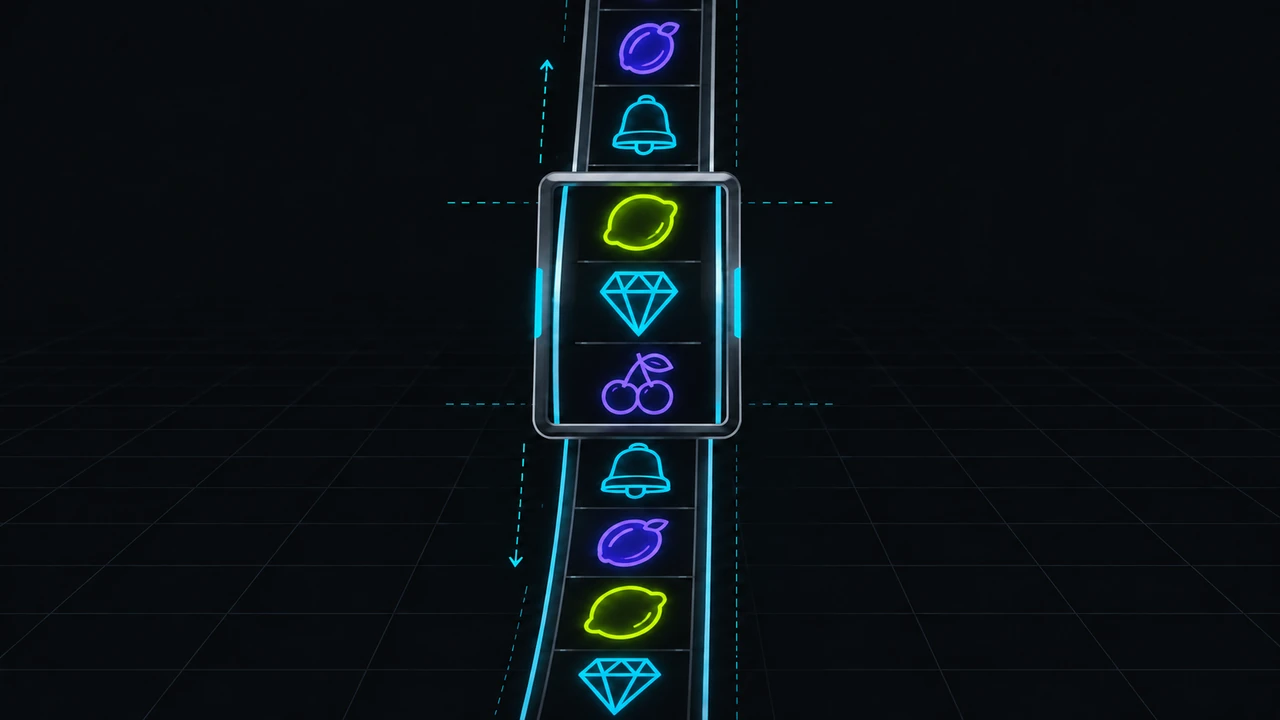
A fixed-grid pokie keeps its reel dimensions. A Megaways game can vary them between spins, changing the number of potential combinations. In a common six-reel model each reel can display up to seven symbols; ranges and additional reels depend on the title. Matching rules usually require consecutive reels from the left, but check its own paytable.
Reels
Usually 6
Symbols per reel
2 – 7, variable
Maximum ways
7⁶ = 117,649
Typical spin
A fraction of that
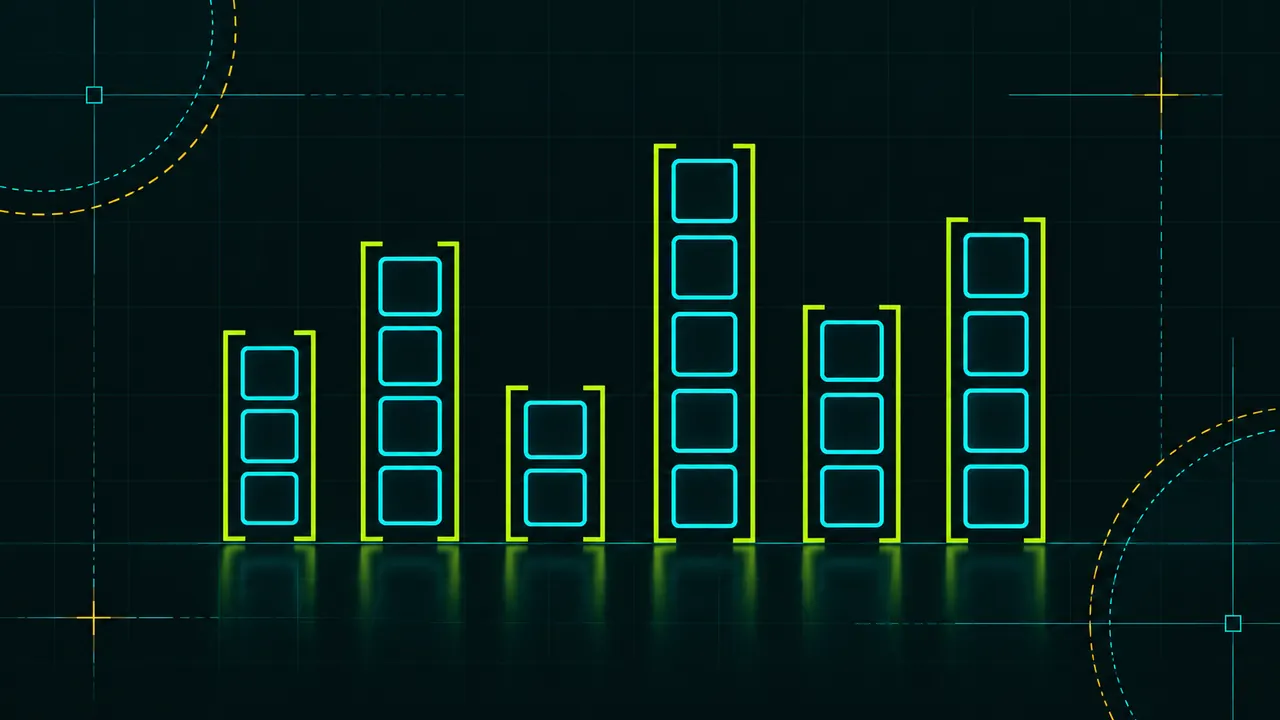
Six reels at seven symbols each gives 7 × 7 × 7 × 7 × 7 × 7 = 117,649. That is where the famous number comes from, and it requires all six reels to land at their tallest simultaneously. Any other combination produces a smaller figure, and most spins produce a much smaller one — a game showing four, three, five, four, three and six symbols offers 4,320 ways rather than 117,649.
The headline figure is the maximum of a distribution, not its centre. Treating it as a description of the game is the same error as describing a car by its top speed. It is true, it is published, and it is not what happens.
Concept illustration. Six reels, each independently two to seven high. The product is the ways figure for that spin.
// exclusive · WinCrown · 18+
+500% + 120 free spins
WinCrown welcome offer. Read the current promotion terms, eligibility and withdrawal conditions.
Megaways rarely appears alone, and the companions matter more to the maths than the ways count does.
Tumbling reels
Winning symbols are removed and replaced by new ones falling from above, which can chain several wins within a single spin. Nearly every Megaways title includes this. It is the reason a single spin can run for fifteen seconds and why the pace of the game feels so different from a line-based pokie.
Feature multipliers and reset rules
Some Megaways games increase a multiplier during the feature and carry it between spins. Others have different triggers or resets. Fireworks Megaways describes increases triggered by its Firework Wild Bonus. The Megaways label alone does not promise a persistent or unlimited multiplier.
A feature multiplier can make two rounds look very different even within the same game. Its starting value, increment, reset and maximum determine its effect. The Megaways label does not establish what share of total return comes from the feature.
What it does to volatility
Many titles using this format have high volatility, but changing reel heights alone does not determine it. Symbol weights, prizes, feature frequency and multiplier rules all contribute. Use the title’s own rating instead of assuming a session outcome from its badge.
Property
Line-based pokie
Typical Megaways title
Where the return sits
Read the documented payout structure
Read the documented payout structure
Base game behaviour
Determined by symbols, prizes and probabilities
Determined by symbols, prizes and probabilities
Session shape
Cannot be predicted from fixed paylines
Cannot be predicted from variable heights
Bankroll needed
No balance guarantees a feature
No balance guarantees a feature
Max win
Check the title’s payout limit
Check the title’s payout limit
Do not choose a game by assuming a maximum ways count buys a particular session length or chance of profit. Read the stake, volatility and feature rules. A ways label describes combinations, not a spending recommendation.
Megaways reads better in motion than on a page. Open a lobby and watch a few spins.
Megaways is not a public technique. It is a licensed mechanic, created by Big Time Gaming and licensed to other studios, which is why titles from a dozen different developers carry the same name and the same reel behaviour. Pragmatic Play, Play'n GO, Relax, Red Tiger, Blueprint and many others ship licensed Megaways games.
The developer sets the payout table and features around the licensed mechanic. A licensing fee does not tell a player its RTP or prove it returns less than another game. Use documented rules rather than inferring player returns from development costs.
The variants worth recognising
Megaways with a bonus buy. Pay a multiple of stake to enter the feature directly. Given that the feature is where the return lives, this is more consequential here than on a typical pokie — and the buy usually carries its own separately stated RTP.
Megaways with a persistent multiplier in the base game. Less common, and it shifts return out of the feature and back into ordinary play, which lowers volatility.
“Megaways-style” games. Variable reel heights without the licence, under names like Infinity Reels or similar studio-specific branding. Mechanically comparable, differently priced, and not covered by the same licensing arrangement.
Megaways sequels. A second or third release of a successful title frequently raises the max win and the volatility together. The newer version is rarely the gentler one.
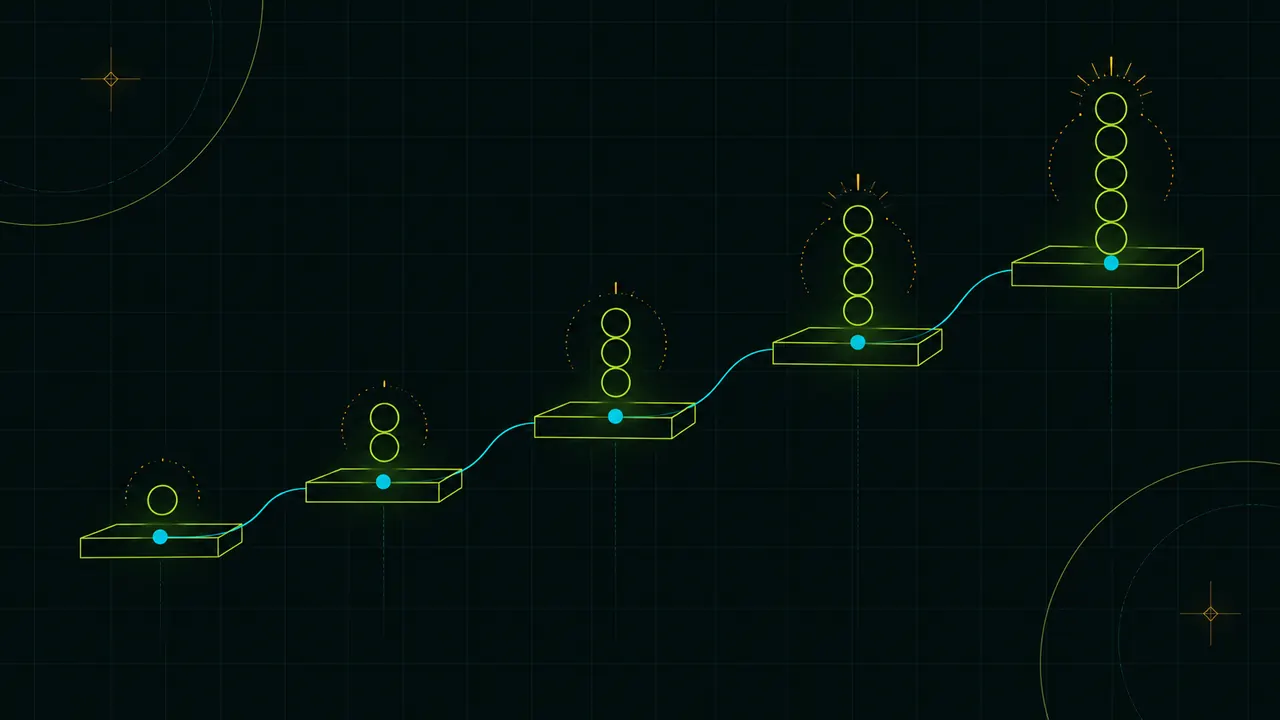
Concept illustration. Some multipliers carry forward; others reset. The individual game rules decide.
// sponsored · Safe Casino · 18+
+500% + 120 free spins
Safe Casino welcome offer. Check the qualifying deposit and wagering conditions before you claim.
The return figure, in the live game's help panel. Megaways titles ship at multiple configurations like any other, and the operator chose one.
Max win. Frequently in the tens of thousands of times stake. It is a hard cap and it defines the realistic best case.
How the feature multiplier behaves. Resetting between spins or persisting across the whole round. This is the single most important difference between two otherwise similar titles.
Retrigger rules. Whether additional scatters extend the feature, and whether there is a limit.
Whether a bonus buy exists and what it costs. Commonly 75× to 100× stake, with its own stated return.
How to read a Megaways paytable
Megaways paytables look wrong the first time, because they are built on a different premise from a line-based game. Four differences account for most of the confusion.
Symbol counts, not line positions
A win requires a minimum number of matching symbols on consecutive reels starting from the leftmost, usually three, and the payout scales with how many reels carry the symbol rather than with any arrangement. Because reel heights vary, the same symbol count can occur in many configurations, all paying identically.
Payouts per symbol, not per line
On a line-based pokie, a win is a line prize multiplied by how many lines hit. On Megaways, each distinct combination pays its own prize and they total. This is why a win figure can look strange relative to the symbols on screen — you are seeing the sum of many small combinations rather than one large one.
The horizontal reel
Many Megaways titles add a reel that runs across the top of the grid, contributing extra symbols to the four middle columns. It raises the effective heights of those reels and is the reason the maximum is reachable at all. It is counted into the ways figure automatically, which makes the arithmetic on screen harder to follow by hand.
Separate feature paytable
The free-spins round frequently uses different rules: a different symbol set, different scatter behaviour and the multiplier described above. The paytable usually documents both states, and reading the base-game table while planning around the feature is a common error.
Line-based pokie
Megaways
Fixed grid every spin
Reel heights redrawn every spin
Wins pay along defined lines
Wins pay for symbol counts on consecutive reels
One prize per line hit
Every combination pays, totals shown as one win
Ways figure is constant
Ways figure changes every spin
Feature usually similar rules
Feature often a separate rule set
Bankroll approach, if you are going to play one
A feature may be important to a particular game, but its frequency and contribution need documented figures. A balance divided by stake is a cost calculation, not proof that you will reach a bonus.
Dividing a spending limit by the total charge gives purchase capacity without recycled payouts. Even a documented average trigger frequency does not promise an entry within that number of spins. Do not increase spending or stake simply to reach an expected feature.
If an optional higher-stake mode exists, read the exact price, effect and any separately published return. A shorter wait is not automatically better value. Not every Megaways title has an ante mode, and it does not guarantee entry within a spending limit.
The alternatives that are not Megaways
Variable-geometry grids are no longer unique to the licensed mechanic, and the alternatives behave differently enough to be worth recognising in a lobby.
Expanding-grid formats. The grid grows as wins chain, adding reels or rows rather than redrawing heights. Volatility is usually comparable, but the escalation is visible and progressive rather than random at spin start.
Infinity-style reels. Additional reels are appended for as long as wins keep landing, with no fixed maximum. The tail is theoretically longer and the base game is usually harsher still.
Cluster grids with multipliers. A different route to the same shape — infrequent, large outcomes concentrated in a feature — without variable geometry at all.
Fixed-ways games. Their combination count stays constant, for example 243 ways. That alone does not establish lower volatility; the payout and feature design still matters.
None of these is better or worse as a category. They are different distributions, and the volatility rating in the help panel discloses which one you are buying regardless of what the mechanic is branded as.
Count combinations without confusing them with odds
The ways count describes the geometry available for a spin. Multiplying six hypothetical reel heights of four, three, five, four, three and six gives 4,320 potential combinations. Multiplying six heights of seven gives 117,649. Neither number states that all combinations contain matching symbols or that every combination pays. A qualifying match still has to satisfy the title’s symbol and consecutive-reel rules.
Consider a separate, simplified three-reel example. Suppose a paying symbol appears twice on reel one, once on reel two and three times on reel three. Under a rule paying each matching three-reel combination, that gives two times one times three, or six combinations. If the specified prize for each is A$0.20 at that stake, those combinations total A$1.20. Additional reels, wilds, multipliers, exclusions and cap rules can change the result in a real game.
The example is arithmetic rather than a paytable for any named title. It shows why counting visible symbols alone can be misleading. Six copies scattered across a grid are not necessarily six winning ways; their positions across consecutive reels matter. A symbol on a reel outside the required sequence may not contribute at all. Start with the actual matching rule before multiplying counts.
Check what a wild substitutes for
A wild may substitute for ordinary paying symbols but not for scatters or special collection symbols. Some titles add their own restrictions or multiplier values. A symbol with a dramatic animation is not automatically wild, and a special top reel may have different roles from the vertical reels. The game’s symbol description should settle these questions without guessing from its artwork.
Tumbling also changes which board you are reading. A first winning arrangement can clear and be replaced within the same paid round. Later boards may use a feature multiplier or update it for subsequent wins. Read whether an increase acts on the current win, the next tumble or the next spin. Two games using the same branded reel engine can differ at exactly this point.
Find the end of a feature
Check its starting spin count, any retrigger condition, persistent state and payout limit. A multiplier described as unlimited can still operate inside a capped round. A maximum number of ways does not remove that limit. If the feature ends early, look for the termination rule and round-history explanation before assuming an error or a missing payment.
Use a free demonstration where available to learn these sequences without cash at risk. A demonstration is not a promise of real-money availability or authorisation, and it should not be used to estimate a future session from a few rounds. The objective is to understand a rule, not to find a pattern that makes the next random outcome predictable.
What this page could not verify
No per-title figures are published here. Megaways games ship at several return configurations, licensees set their own max win and feature frequency, and a number copied from one lobby misdescribes another. The mechanic is standardised; the mathematics around it is not, and that is precisely why the check list above is specific to the game in front of you.
Descriptions of licensing arrangements are general to how the mechanic is distributed and are not a statement about any particular studio's current agreement. The licence holder publishes its own licensee list.
The paytable description above holds for the standard implementation, which most licensees follow closely because the mechanic is licensed as a package. Individual studios do customise around it — some add a seventh reel position, some change how the horizontal reel contributes, some run the feature on an entirely different symbol set — and where a game departs from the standard, its own paytable is the authority rather than this page. Reading it takes a minute and the differences are usually stated in the first screen.
The bankroll guidance is arithmetic rather than advice, and it deliberately avoids suggesting a stake. What a reasonable session costs depends on circumstances this page knows nothing about, and any page that names a figure for you is guessing.
Nothing here is a recommendation to play a particular title or at a particular operator. The mechanic is described so that a lobby full of games branded identically stops being interchangeable, and so that the volatility rating in the help panel reads as the warning label it actually is rather than as a marketing adjective.
It is six reels each showing seven symbols at once — 7 to the power of 6. It is the maximum the grid can produce, not the average. A spin showing four, three, five, four, three and six symbols gives 4,320 ways, and spins like that are far more common.
Are Megaways pokies higher volatility than normal ones?
Some are rated high volatility, but the mechanism alone does not determine payout spread. Read the rating and rules for the specific title.
Do all Megaways games have tumbling reels?
Nearly all of them. The mechanic pairs naturally with cascading wins, and the tumble is also what drives the progressive multiplier in the feature on most titles.
Is Megaways a studio or a mechanic?
A licensed mechanic, created by Big Time Gaming and licensed to many other studios. That is why a dozen developers ship games with the same reel behaviour under the same name — and why quality and maths vary enormously between them.
Is the bonus buy worth it on a Megaways game?
It is more consequential than on a typical pokie because the feature is where most of the return lives, but it is still faster rather than better. The buy carries its own separately stated return and sharply increases variance by compressing the session.
Why does my Megaways session feel so punishing?
Losing and sub-stake returns can occur in random play. The rules explain how payouts form, not when a compensating prize must occur. A sequence of losses does not make a feature due.