
- Reels
- Six, variable height
- Win type
- Ways, adjacent from left
- Engine
- Megaways plus collector
- Feature
- Free spins, collector ladder
Variable reel heights: what the engine changes on the grid
A Megaways reel set has no fixed shape. Each of the six reels redraws its own height on every spin, between a floor and a ceiling the build defines, and the six heights are independent of each other. The grid at the end of one spin tells you nothing about the grid the next one will produce, so the silhouette of the reel set is part of the outcome rather than furniture around it.
Several releases on the engine also carry a horizontal reel above the main set, feeding extra positions to specific reels and widening the ways total. Whether this release has one, and which reels it extends, is printed in its own rules screen — a question to answer by looking rather than by analogy, since the engine is licensed to many studios and each configures it differently.
With no line set, wins are counted as ways. A paytable symbol pays when it occupies at least one position on consecutive reels starting at reel one, and every distinct combination of those positions is a separate way. Nothing is drawn across the screen, there is no diagonal to trace, and no symbol lands "off the line".
Four items belong to the rules screen rather than to any page about the engine: the minimum and maximum height each reel can draw, whether a top reel exists and which reels it extends, the maximum ways figure stated for the loaded build, and whether the height range differs between the base game and the feature, as several implementations do.


18+ · Bonus conditions
Offer information supplied: 2026-10-05.


18+ · Bonus conditions
Offer information supplied: 2026-10-05.
Counting the ways: the multiplication behind the headline number
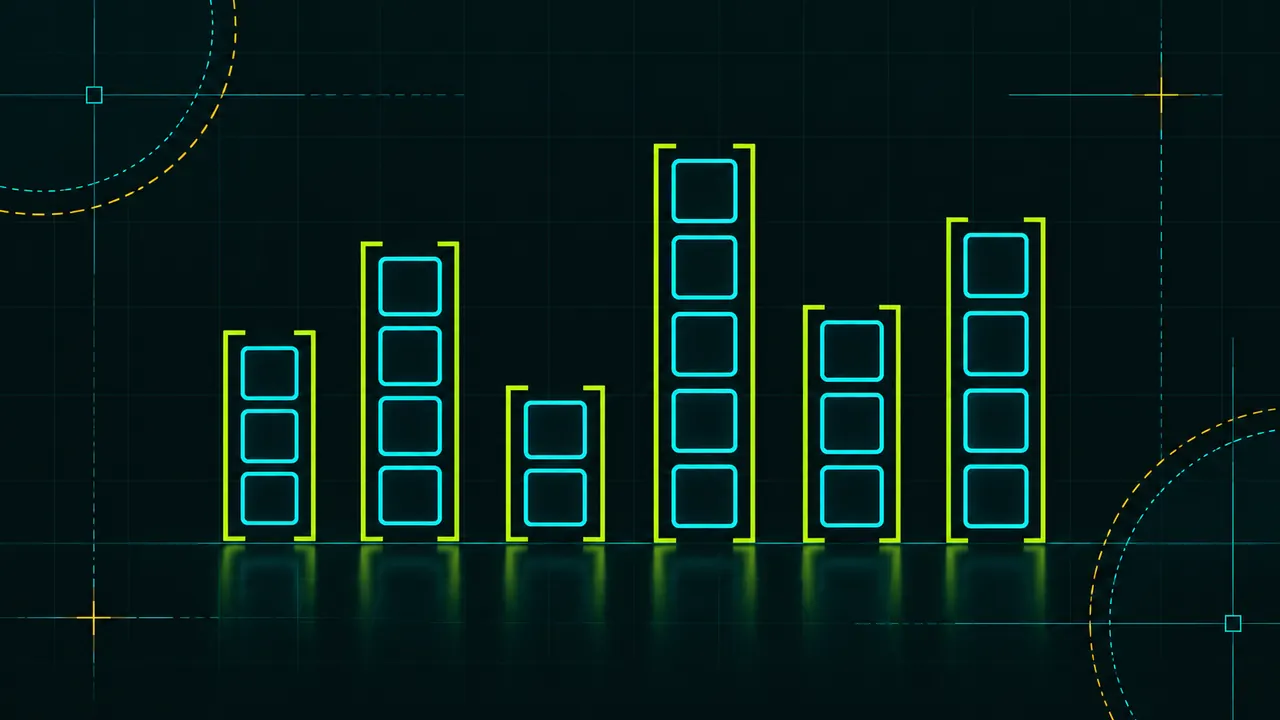
The ways total is a product, not a sum. Multiply the positions showing on each of the six reels together: four, six, three, seven, two and five multiply out to 5,040 ways. Nothing about that figure is a payout — it counts the position combinations a six-reel symbol could occupy on that one spin.
The ceiling case is the engine's best-known arithmetic. Six reels each drawing seven positions gives seven multiplied by itself six times, which is 117,649. It is a maximum, reached only when every reel draws its tallest height at once, and the maximum for any given release is whatever its own height range produces.
The multiplication also explains how fast the number collapses. Shorten one reel in the ceiling case from seven positions to two and the product falls from 117,649 to 33,614: a factor of seven replaced by a factor of two, a little over a quarter of the total destroyed by one short reel. A middling six, five, six, five, six, five gives 27,000 ways; every reel at a floor of two gives sixty-four, bought with the same stake.
The misreading that costs money is treating the ways count as a bet multiplier. The stake is charged flat per spin, and paytable values are quoted per way rather than per spin, so a symbol pays its small multiple on each way it occupies. More ways means more simultaneous small wins — not a larger stake, and not a larger designed return.
Why the fisherman collector never reads the ways count
Underneath the engine the game is still a collector, and this is where the two halves fail to talk to each other. The fish are money symbols: each carries a value printed on its face, stated as a multiple of stake rather than as a row in the paytable. They are not paid for occupying a run of consecutive reels. They are paid for being collected, and the collector is the fisherman.
A money symbol is therefore indifferent to the shape of the grid. It need not sit on reel one, it needs no neighbour on reel two, and the ways on offer do not multiply it, split it or extend it. Its value is its value, and the only question about it is whether a collector is present at the same moment.
That resolves the contradiction readers report most often here. A spin can open all six reels to their ceilings, show the largest ways count the build permits, scatter high printed fish values and pay nothing: the ways were available to paytable symbols that formed no runs, and the fish were waiting on a collector that never arrived. The reverse is just as ordinary — a cramped sixty-four-way board with a fisherman and two large values banks both.
Two conventions have to be checked in the help panel rather than assumed. Whether one designated fish acts as the money symbol while its near-identical paytable neighbours do not. And whether money symbols do anything at all outside the free spins — in the fixed-line original they are inert in the base game, and across the family that is not universal.
// sponsored · Safe Casino · 18+
+500% + 120 free spins
Safe Casino welcome offer. Check the qualifying deposit and wagering conditions before you claim.
Tumbles, re-drawn reels and when a collection actually resolves
The engine removes winning symbols and drops replacements into the vacated positions, so one paid spin can resolve as a chain of evaluations. That makes the ways count a moving figure: replacements can arrive with the reels re-drawn, so the total available on the second tumble need not match what the first showed, and the chain runs until an evaluation produces nothing.
This matters to collection because it introduces an ordering question the screen never answers. Does the fisherman collect on arrival, or only once the chain has finished and the board has settled? Under the first reading a value that tumbles in afterwards is never banked; under the second it is in view when it counts. The panel states which, and the two give different round totals from identical symbols.
Whether money symbols tumble at all is the companion question. In some collector designs they are exempt from removal and sit in place while paytable symbols cascade around them, which gives them more evaluations in which to be collected. In others they clear like anything else.
When a collection pays less than the printed values you believed you saw, round history usually shows one of two causes. Either a value was not in view when collection resolved — which the tumble chain makes genuinely easy to misjudge — or the symbol counted was an ordinary paytable fish rather than the designated money symbol.
Figures differ between builds and lobbies. Read the live game's information panel before you rely on any of them.
Play here →Free spins and the collector ladder: late spins carry the weight
Entry is through the scatter count, and the spins awarded for each qualifying count are printed in the help panel rather than fixed by the engine. What the free spins add is state: collectors landing during the round bank whatever is in view and simultaneously count towards a progression that awards further spins and raises the multiplier applied to collections.
That count accumulates across the round instead of resetting each spin. The round has a history, and the worth of any given spin depends on where in that history it arrives, because the multiplier attached to it was earned by the spins before it.
Ladder progression and spin supply are drawn from the same budget, and that is the structural catch. Every level is bought with collectors that can only land on spins already spent, so by the time the top multiplier is available the remaining board is short: the biggest number on the ladder becomes reachable at precisely the moment there is least left to apply it to. Count it from the other end to see the size of the thing honestly — what matters is not the ladder's ceiling but the multiplier multiplied by the spins still owed when it is reached, and a round arriving at its best level with two spins in hand is holding a small figure dressed as a large one. This engine adds a second drain on that arithmetic, because a towering grid consumes a free spin exactly as fast as a cramped one while contributing nothing at all to the collector count.
Four ladder parameters cannot be guessed from watching and all four are printed: how many collectors each level requires, how many extra spins it awards, the multiplier value at each level, and whether the top level is terminal. Progression is also discarded with the round — nothing earned inside one feature carries into the next, and a long flat stretch afterwards is not credit the machine is holding on your behalf.

A worked feature round on this grid, counted spin by spin
Take a stake of one dollar and follow six free spins, with invented symbol positions to show the arithmetic rather than to predict anything. Spin one draws heights of two, three, two, four, two and three — 288 ways — lands two fish worth two and five times stake, and produces no collector. Banked: nothing, and the values roll off.
Spin two draws six, seven, five, six, four and seven, which is 35,280 ways, and lands a fisherman with one fish worth three times stake in view. Banked at a multiplier of one: three dollars, and one collector counts towards the ladder. The enormous ways total contributed nothing to that three dollars.
Spin three draws a cramped two, two, three, two, two, two — ninety-six ways — with two fish worth four and ten times stake and a fisherman: fourteen dollars banked from the smallest grid of the round. Spin four produces a tall board and three fish with no collector, so nothing. Spin five lands a collector on an empty board, advancing the ladder count while paying nothing at all.
Spin six arrives with the multiplier raised by the collectors counted on spins two, three and five. At a multiplier of two, one fish worth eight times stake alongside a fisherman banks sixteen dollars rather than eight. The round closes at thirty-three dollars from a one-dollar stake, and only under the assumption that collection resolves at banking rather than retroactively — the release-specific clause. Note which spin paid least: the one with the largest ways total.
// sponsored · WinCrown · 18+
+500% + 120 free spins
WinCrown welcome offer. Read the current promotion terms, eligibility and withdrawal conditions.
Why published RTP figures for this release disagree with each other
The most-searched question about this release is its return figure, and what can honestly be supplied here is a method rather than a number. The title is distributed in more than one configuration; which configuration a given lobby runs is settled at integration by whoever loaded the game, not by anything visible on a tile and not by any page describing the title in general. Two copies of what looks like the same machine can therefore answer the question differently, and neither copy is faulty.
The Big Bass family compounds the problem because it is large. The original, this Megaways member, Bigger Bass Bonanza, Big Bass Splash, Keeping it Reel and Big Bass Vault are distinct games sharing artwork language, a fisherman and a tackle-shop palette, each with its own configuration set, and a figure lifted from a relative looks identical to a correct one.
One cheap test separates the third-party pages that have opened this game from the ones working off a press release. Take any detail such a page commits to that is also printed inside the game frame — the spin award attached to a given scatter count, or the maximum ways stated for the build — and hold it against the rules screen of the copy you can actually load. Whatever cannot be reproduced from a help screen was not read off one, and a page wrong about the spin award is not a page to trust on the return figure either.
The authority is the game information panel reached from a menu inside the game frame, not the casino page around it. Read four things in order: the full release title on the first line, the return figure for the loaded build, whether a feature purchase exists here and the separate figure it carries, and the maximum win rule. The order matters, because the first item decides whether the other three are about the right machine.
Volatility and the maximum win cap on a variable grid
The volatility rating sits in the same panel and will be at the high end, for two reasons that stack rather than overlap. The engine itself swings: identical stakes buy spins whose ways totals differ by three orders of magnitude, so base-game outcomes are spread very wide before the collector is considered at all.
The collector supplies the second source. Printed fish values settle only under a fisherman, and the fisherman is a creature of the feature, so the base game runs deliberately lean beside what a feature round can produce. The outgoings and the returns therefore sit in different phases of the same game, which is what stretches the distance between a median session on this title and the rounds that get recorded and shared.
The maximum win cap is the external ceiling where the two halves meet. A cap is stated as a multiple of stake, and a collection round can run into it part-way through: printed values that would carry the total past the ceiling do not add, and the round resolves at the limit. A ladder multiplier reaches it faster than raw printed values suggest — four hundred times stake already banked, plus a multiplier of four applied to a board carrying two hundred times stake, reaches twelve hundred times stake.
Stake sizing has one honest consequence and one popular fiction. The consequence: money values are multiples of stake, so raising it scales base-game spend and feature output together, changing the scale of a session rather than its shape. The fiction: that a larger stake, a longer run or a particular grid shape improves the chance of reaching the feature. None of them does, and nothing a player can do changes a game's designed return.
Telling the Megaways release apart from its relatives on a lobby tile
The naming is the hazard in this family, and it is sharper here than anywhere else in it. Big Bass Bonanza and Bigger Bass Bonanza are separated by one adjective, and the Megaways member is separated from the original by a suffix a lobby tile can truncate or wrap out of sight.
What differs between members is not cosmetic. The original runs a fixed-line five-reel grid with no tumbles; this member runs six variable-height reels with ways and cascades. Across the family the ladder structure, the number of selectable feature modes, whether a feature purchase exists at all and the maximum win cap all vary.
What the engine does and does not import is the point for this page. It changes how paytable symbols are counted, introduces tumbling, and makes the grid itself variable; it does not change the proposition that money symbols are collected rather than matched. Identification takes seconds: read the full title from the game's own header or the first line of its rules screen rather than the tile, and if the panel contradicts your memory, trust the panel.
Where that identification happens inside a lobby — Safe Casino and WinCrown are two places a reader might be doing it — the only version worth trusting is the panel on the live page on the day, since nothing written here asserts which releases sit in any operator's catalogue and those catalogues are rebuilt without notice.
The rules screen checklist, four recurring misreadings, and the limits
Nine items decide what this build actually is, and all nine are printed inside the game frame. One: the full release title on the first line. Two: the return figure for this build. Three: the volatility rating. Four: the reel-height range, and whether a top reel exists. Five: the maximum ways figure, which follows from item four rather than from the engine's advertised ceiling. Six: whether that range changes inside free spins. Seven: the collection rule. Eight: the ladder, level by level. Nine: the maximum win cap.
A blank beside any of the nine means the game has not been read, not that the item was unimportant, and none of the nine answers transfer anywhere: the same title in a second lobby can carry a different configuration, a different stated return and a different cap, so the list is worked once per operator. On a phone the panel hides behind a menu inside the game frame rather than on the casino page around it, which is a reason to find it before a session starts and to lean on round history while one is running.
Four misreadings recur here. The ways count is a bet multiplier: it is not, and 117,649 ways cost what sixty-four cost. A big grid is a good omen: it is not, because heights are redrawn independently every spin. Fish values accumulate until a collector arrives: they do not, and anything rolled off is gone. A high ladder level is where the value sits: only if spins remain to spend at it.
What this page does not assert: any return percentage for any build, the reel-height range or maximum ways for this release, the spin award for any scatter count, the collector thresholds or multiplier values on the ladder, the moment collection resolves, the maximum win cap, whether a feature purchase or selectable modes exist here, and which operators have the title loaded today. Which operators carry it and what their bonus offers are worth belongs to pokiesledger.com (operator shortlists and bonus offers); deposits, withdrawals, verification and payout timing belong to pokiescashout.com (payments, withdrawals, KYC).
One legal note belongs beside the mechanics. Online casino services may not lawfully be supplied to people in Australia, so any operator putting this title in front of an Australian reader answers to a foreign licensor rather than an Australian regulator. Commission can be earned on the sponsored links above, which changes none of the arithmetic here. This page describes a machine rather than recommending that anyone play one, it is for adults only, and if the reason for the next spin has become the last one, read the support guide instead.
Questions people actually ask
What is the RTP of Big Bass Bonanza Megaways?
No single figure can be quoted for it. The title is distributed in more than one configuration, the choice among them belongs to whoever integrated the game into the lobby you are using, and each member of the Big Bass family is configured separately again on top of that. The only reliable route runs through the game's own information panel, reached from the menu inside the game frame: check that the first line names this Megaways release rather than a relative, then read the return stated there for the copy you have actually loaded. A percentage carried on a review page may have been taken from a different release, a different configuration, or no help screen at all.
How many ways does Big Bass Bonanza Megaways have?
It varies spin by spin, because each of the six reels redraws its height independently. The ways total is the product of the six heights: four, six, three, seven, two and five positions multiply out to 5,040 ways, while every reel at seven gives 117,649 and every reel at two gives sixty-four. The maximum ways figure for this particular build is printed in its rules screen, and the engine's advertised ceiling is not automatically the one a given release uses.
Does a higher ways count make the fish pay more?
No. Money symbols pay for being collected by the fisherman, not for forming a run of consecutive reels, so the ways total has no bearing on their value. A spin can show the largest ways count the build permits, scatter high printed fish values across the grid and pay nothing, while a cramped sixty-four-way spin with a collector and two fish banks both. The two economies share a screen and settle under different rules.
Does a bigger ways count mean a bigger stake?
No. The stake is charged flat per spin regardless of how many ways the grid draws, and paytable values are quoted per way rather than per spin. A 117,649-way spin costs exactly what a sixty-four-way spin costs. What extra ways change is how many simultaneous paytable wins can form — not the price of the spin, and not the game's designed return.
Do the fish values carry over between free spins?
No. Nothing is held in a pot between spins. A fisherman pays the values standing on the grid at the instant collection resolves, and anything that has spun away since, or been cleared by a tumble, pays nothing at all. The one genuinely release-specific detail is where that instant falls — on the fisherman's arrival, or after the cascade has finished settling — and the help panel is where it is stated. The two readings can produce different round totals from an identical set of symbols, which is the usual explanation for a collection that looked larger on screen than it paid out.
How is this different from the original Big Bass Bonanza?
The original runs a fixed five-reel, three-row grid with a fixed line set and no cascades. This member runs six variable-height reels, counts wins as ways rather than lines, and tumbles. The collector idea is shared, but the ladder structure, the number of selectable feature modes, whether a feature purchase exists and the maximum win cap can all differ, so a help screen read for one establishes nothing about the other.
Why did my feature round stop adding values part-way through?
That is usually the maximum win cap. A cap is stated as a multiple of stake, and a collection round can run into it mid-round — at which point printed values that would have carried the total past the ceiling do not add, and the round resolves at the limit. A ladder multiplier reaches that ceiling faster than the raw printed values suggest. The cap figure for your build is in the game information panel.
Is Big Bass Bonanza Megaways licensed in Australia?
The game is a studio product rather than a licensed Australian service. Online casino services may not lawfully be supplied to people in Australia, so any operator offering this title to an Australian reader is offshore and answers to a foreign licensor. Neither a studio logo in the lobby, nor a balance denominated in Australian dollars, nor a site that simply loads from here amounts to authorisation under Australian law.
// next step
A paytable makes more sense with the game open in front of you.
View current offer