- What is tested
- Generator, game maths and platform — separately
- Where to verify
- The test house's own register, not the footer
- Scope of a certificate
- One named build, not a whole lobby
- Australian status
- Offshore; no local regulator behind it
What the generator is, and where the spin is decided
The generator is an algorithm, not a tumbling drum. Nearly every online pokie is driven by a pseudorandom number generator: a deterministic function that, given the same starting value, produces exactly the same sequence every time. That sounds like the opposite of random, and it is the fact that makes the whole category confusing. The unpredictability does not come from the arithmetic. It comes from the seed, drawn from entropy the software collects rather than chosen, and from the generator running on a server you have no access to.
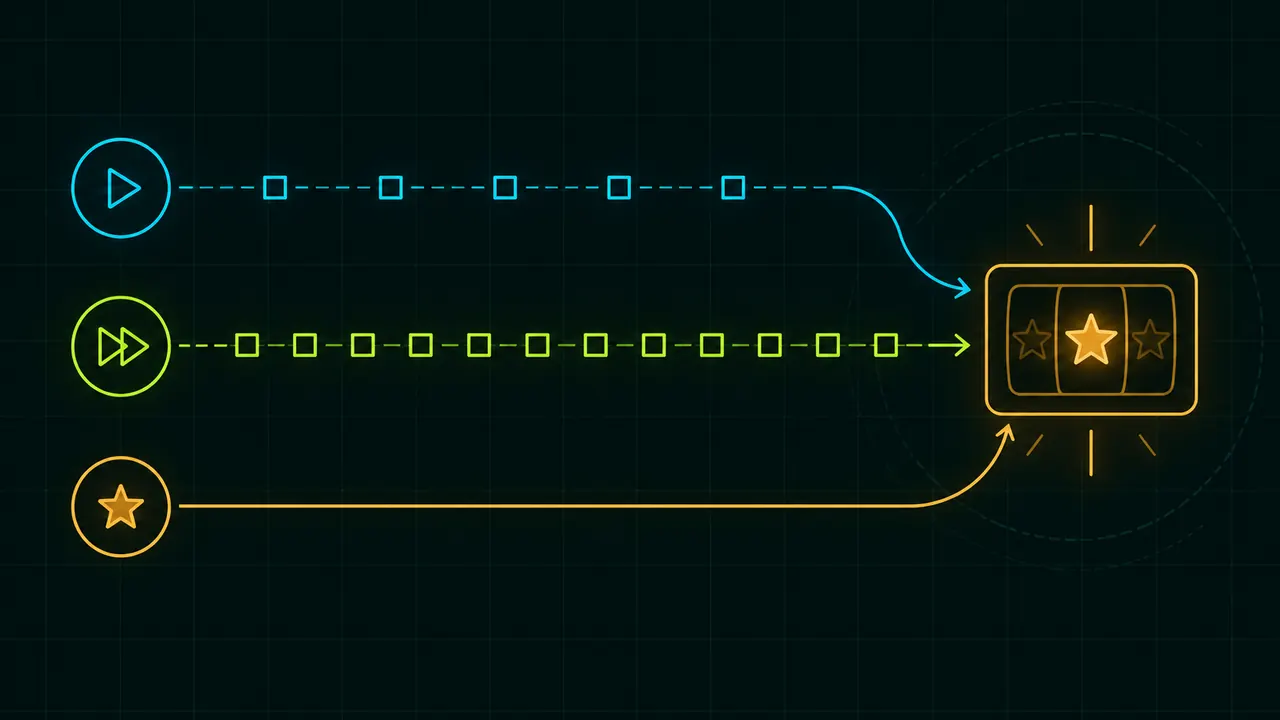
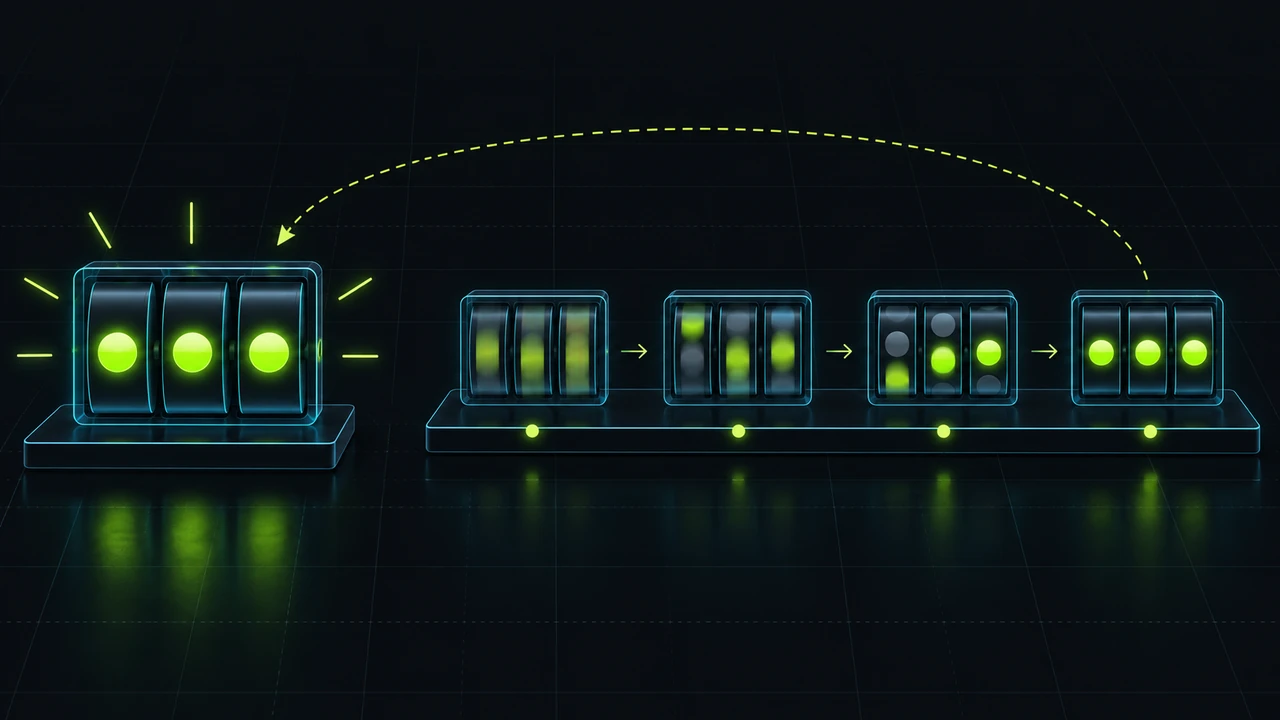
What follows from that architecture is more useful than any statement about fairness. A round is decided when the server processes your spin request: the numbers returned are mapped onto positions along defined reel strips, those positions resolve into symbols, and the symbols are compared with the paytable to produce a payout. Only then does your browser receive the result and begin animating it. The grid spinning in front of you is a rendering of a decision already taken.
That is why the folk techniques touch nothing. Slamming the stop button, holding the spin, switching stake mid-animation — all of it lands after the server has answered. Timing-based play is not a weak strategy, it is a category error about where the decision lives.
It also limits a popular suspicion. The generator carries forward its own position in a sequence and nothing else: your balance, session length and run of losses are not inputs to the mapping table, not because the operator promised to be nice but because the shipped game logic does not read them. That is an architecture claim rather than a probability one, and it leaves a trace — a genuine build exposes round history with round identifiers, the only durable artefact the process produces.


18+ · Bonus conditions
Offer information supplied: 2026-10-05.


18+ · Bonus conditions
Offer information supplied: 2026-10-05.
Weighted reels are the game, not a hidden lever
Reel strips are not uniform, and this is where most accusations of rigging actually point without knowing it. A high-paying symbol might appear once on a strip and a low-paying one many times, and strips frequently differ from reel to reel, so a scatter can be common on the first two reels and scarce on the fifth. That asymmetry is not a distortion of the game, it is the game: the strip definitions and the paytable together are the mathematics the studio submitted for testing.
Two consequences are routinely mistaken for tampering. The first is the near miss — a scatter landing just above or below the payline, repeatedly; weighted strips produce that pattern naturally and the eye is exceptionally good at noticing it. The second is the win that costs you money, a round returning less than its stake while the interface plays a celebration. Both are design decisions in the open, not hidden levers.
The distinction worth holding is between odds that are unfavourable and documented and odds that are secretly altered. In ordinary speech, rigged means the second; almost everything people cite as evidence is the first, and it is published — the house edge in the return figure, symbol scarcity in the paytable, the gaps between features in the volatility rating. Built to keep a margin and saying so is a different complaint from cheating.
One thing you can genuinely verify yourself takes one round rather than a long sample. Open round history, pick a winning round, read the symbol combination and the stake, and work the payout out from the game's own paytable. If the arithmetic does not reconcile, you have a specific, stateable discrepancy — this round, this combination, this amount, the table says otherwise. That is the shape of evidence a licensor or a studio can act on. A feeling about a losing streak is not.

The four fields on a certificate, and the three things it could be about
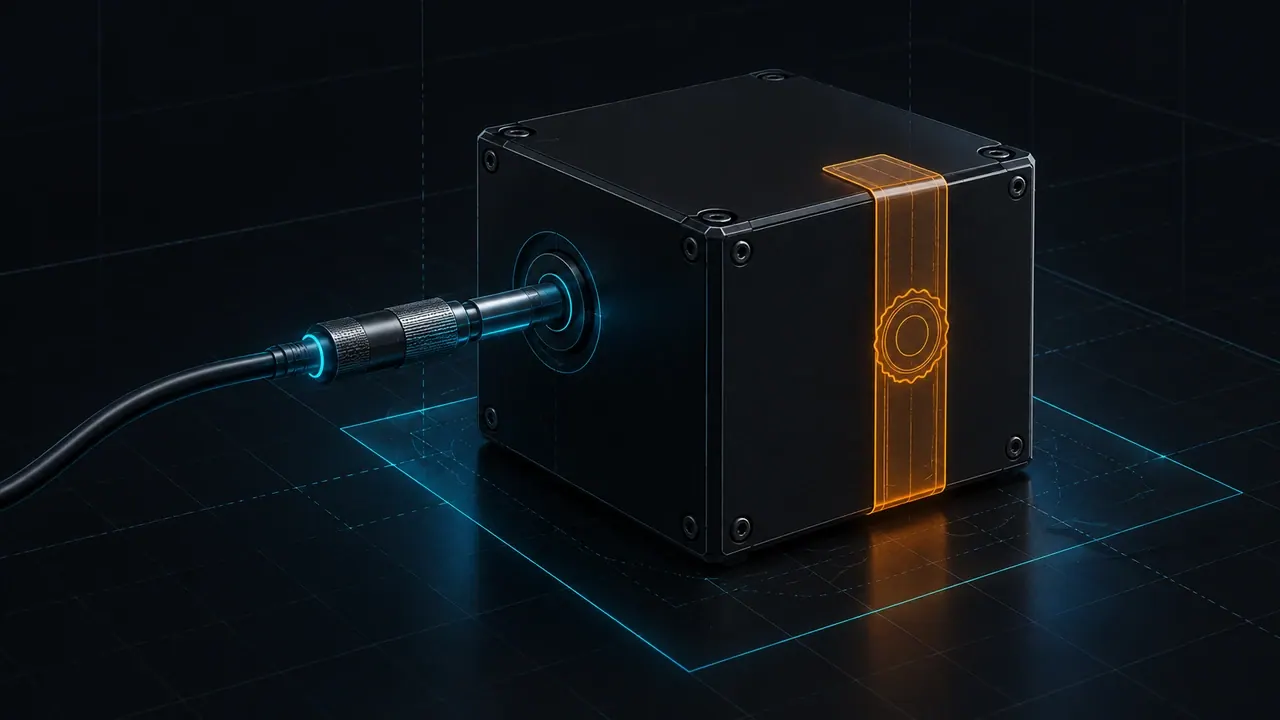
A certificate is a document about four things, and reading them is the whole skill. Who submitted the item — a legal entity, not a brand. What was submitted, named with a version or build identifier. Which standard it was tested against, by document number. And when, because builds supersede builds.
That third field is where most confusion sits. Test houses work to published technical standards, each a numbered document on the lab's own standards page, with separate documents for gaming devices, interactive gaming systems and progressive jackpots — so the one a certificate cites already tells you which category the submitted item was treated as. Read that reference off the certificate and look it up at the lab, not in a casino page's summary of it. What you will not find is a standard devoted solely to the generator: those requirements sit inside the broader documents, alongside game behaviour, accounting and recovery after a disconnection. A certificate covers the generator among other things, and its scope section is what tells you what else.
Three separate certifications get collapsed into one in casual writing, and prising them apart answers most of this page's question. A generator implementation is tested once and reused across a studio's catalogue. A game's mathematics is tested per build, which is why one title shipped at several return configurations produces several certificates. An operator's platform — wallet, bonus engine, round logging — is tested separately again, if at all. So a studio's generator certificate says nothing about a casino's cashier, and a platform certificate says nothing about which build the casino integrated.
Cryptographically verifiable rounds, marketed as provably fair, answer a narrower question than the marketing implies. The operator commits to a hashed server seed before play and reveals it afterwards, so you can recompute the round and show it was not chosen after the fact — which establishes nothing about the paytable or the house edge, and appears mostly on in-house crash and dice products rather than the third-party pokies this site covers.
// sponsored · Safe Casino · 18+
+500% + 120 free spins
Safe Casino welcome offer. Check the qualifying deposit and wagering conditions before you claim.
Checking a badge without trusting the badge
A footer logo is an image file. It can be copied in seconds, and the link behind it is written by whoever built the page. So the procedure starts by ignoring it.
Open a new tab and type the test house's own domain yourself. Find its certificate lookup or client register — the serious labs publish one. Search for the legal entity named at the bottom of the casino's terms page, not the trading name on the logo; the two differ more often than people expect. If the entity is listed, read the four fields above: does the product named match what you are about to use, and is the version plausibly the build in front of you? If nothing is listed, ask support for the certificate reference. The answer, refusal included, is information.
Expect legitimate mismatches, and know which are benign. Many brands run on a white-label platform, so the certified entity is the platform operator and the brand never appears. Group restructures leave registers trailing, and a recent brand may be newer than the certificate for the platform beneath it. Genuinely bad is a register with no record of the entity at all, or a certificate whose scope covers a product the site does not appear to run.
The failure mode this defends against is not subtle. Clone sites copy a real operator's design, footer marks included, onto a lookalike domain. Everything visible is borrowed, including the reassurance. The same discipline applies to the sponsored names here: if you are weighing up Safe Casino or WinCrown, take the certification reference and legal entity from their own live footer and terms page and run the register check above on it yourself. We do not restate such details, because footers and the platform entities behind them change without announcement — a mark is the input to the check, never its result.
Figures differ between builds and lobbies. Read the live game's information panel before you rely on any of them.
Play here →Where interference is actually plausible — and it is not the reels
Start with incentives: they show where to spend your scepticism. A certified build keeps a margin on every round, forever, with nothing hidden. Interfering with it means tampering with a studio's product, breaching the integration agreement and leaving evidence in the round logs — an expensive way to buy what the maths delivers anyway. The cheap levers are elsewhere.
The first is build selection, legitimate and usually undisclosed. A studio can ship one title at several return configurations; the operator chooses one at integration. Nothing is faked — each configuration is separately certified and the loaded figure is stated in the game's own information panel. But the choice is commercial and unannounced, and it is the largest controllable difference between two lobbies offering what looks like the same pokie.
The second is provenance, and this is the real version of the fear that games are fake. A frame on a web page can serve anything. Signs of a genuine studio build: the studio's branding inside the game frame rather than only on the thumbnail, an information panel consistent with that studio's other titles, round history with identifiers, a stated return figure in the help screens. Signs worth stopping for: no information panel, no round history, a help screen contradicting the studio's published rules, or a title in the lobby that is absent from the studio's catalogue. All are observable in a minute of demo play and far more informative than any session outcome.
The third is the account layer, where nothing a test house signed is relevant. Bonus wagering terms, maximum stake rules while a bonus is active, game weighting, identity verification and withdrawal processing are commercial terms, not certified mathematics. A lobby can run impeccable certified builds and still be the reason you never see your balance. If you are budgeting suspicion, this layer deserves most of it.
Why your own session cannot answer the question
People arrive holding evidence: a run of blank spins, a feature that paid almost nothing, a night the game turned after a withdrawal. Why none of it can settle the question is a point about method, not statistics.
A test that could detect a biased generator has a shape. It fixes one build and one stake. It defines what counts as a result before collecting any. It records every round, including the long stretches of nothing that are too dull to remember. And it runs to a sample size set by the game's volatility, which on a high-volatility title is far beyond anything a person plays. A human session breaks all four rules at once: the stake moves, the game changes, the definition of a bad run is written after the run, and only memorable rounds survive into the account.
Two distortions are worth naming because they are so reliable. You stop when you lose, so a losing streak sits at the end of almost every sample you will ever collect — a consequence of when you quit, not of the generator. And a near miss is stored as an event while a blank spin is not, so a weighted strip produces a memory of being taunted by a sequence that contained nothing of the kind.
What a single session can do is catch rule violations, which need no sample size. A feature paying less than the paytable specifies for the combination shown. A maximum-win cap applied to a round the rules say it should not cover. A balance change that does not match the round history entry. A free-spins count that ended early. Each is a one-instance discrepancy you can state in a sentence with a round identifier attached, and that is the only kind of complaint that travels. Reserve your effort for those.
// sponsored · WinCrown · 18+
+500% + 120 free spins
WinCrown welcome offer. Read the current promotion terms, eligibility and withdrawal conditions.
What a certificate does not do for an Australian player
Certificates travel across borders; regulators do not. The Australian Communications and Media Authority is clear that online casino services cannot lawfully be provided to people in Australia, which means no Australian regulator stands behind any certificate you will find in an offshore lobby's footer. The document may be genuine, the lab competent and the maths exactly as described — none of which creates a local obligation to you.
The contrast with a venue machine is instructive. A pub or club pokie is approved under state or territory rules, the operating conditions sit on the venue's licence, and the enforcement lever is that licence. A complaint has a destination with the power to act on something the venue cares about. Offshore, the chain ends at the licensor the operator chose, in a jurisdiction that owes an Australian player nothing, whose strongest sanction is a licence the operator may regard as replaceable. Same artwork, same certification vocabulary, entirely different recourse.
So place the certificate correctly in your reasoning. It is evidence that a named build's mathematics was examined once by a lab working to a published standard — not authorisation, not consumer protection, not a payment guarantee, and not a statement about the lobby you are in today. A site can hold a valid certificate for the engine running its pokies while every part of the relationship that could cost you money stays unexamined. Letting the correct document stand in for the unexamined part is the mistake this page exists to prevent.
A direct answer, four checks, and what this page could not verify
The short answer, restated now the parts are separated: the certified reel mathematics is the most scrutinised component in the chain, and it is stacked against you openly. The unaudited ones are the build the operator selected, the provenance of the frame, and everything between requesting a withdrawal and receiving one.
Which turns into four checks, ordered by how much they tell you per minute spent. Open the game's information panel and confirm it is detailed, studio-branded and states a return figure. Confirm round history exists and carries identifiers. Look up the operator's legal entity on the test house's own register, not via the footer. Then read the withdrawal and bonus terms, where the money is actually decided. Fail the first two and the certification question is moot.
What this page could not verify. We have not looked up registers for any operator, the sponsored ones included, and we do not know which build of any title a lobby runs — both change without notice, which is why the page teaches the lookup rather than publishing a result. The certification descriptions are general to how the industry works, not statements about any operator's current certificates, and a certificate proves what its own scope section says and nothing more.
And the boundary of the question. A game whose mathematics has been independently confirmed is a game independently confirmed to keep a margin, which makes certification a poor reason to play for longer. Decide what a session may cost while the lobby is still closed, keep that figure clear of money other things depend on, and treat 'the maths is certified' as no answer to the urge to win back what has gone. Links to the sponsored names can earn the publisher a commission.
Questions people actually ask
Are online pokies rigged?
Not in the sense people usually mean. The reel mathematics of a genuine studio build is the most inspected part of the chain, and it keeps a margin openly: the house edge sits in the published return figure and the symbol scarcity sits in the paytable. The unaudited parts are which configuration the operator loaded, whether the game frame is really the studio's, and what happens when you withdraw.
Can a casino change the outcome of an individual spin?
Not inside a certified build, and the architecture is why: the outcome is produced on the server when your spin request is processed, and the game logic reads its own sequence position rather than your balance or loss history. What an operator does control is which certified configuration of a title it integrated, which is a commercial decision taken once and stated in the game's own information panel.
Does stopping the reels early change anything?
No. By the time the first frame of the animation renders, the server has already returned the result and your client is replaying it. The stop button shortens the presentation. The same applies to holding the spin button, changing stake mid-animation or waiting out a dry patch — all of it arrives after the decision.
How do I check whether an RNG certificate is real?
Ignore the footer logo and the link behind it. Type the test house's domain yourself, find its certificate lookup or client register, and search for the legal entity printed at the bottom of the casino's terms page rather than the trading name. Then read the certificate's four fields: submitting entity, product and version, standard cited, and date. If nothing is listed, ask support for the certificate reference.
Is 'provably fair' better than a test-house certificate?
It answers a narrower question. A commit-and-reveal scheme lets you recompute a round from a seed the operator published a hash of beforehand, which proves the round was not chosen after the fact. It says nothing about the paytable, does not reduce the house edge, and is mostly found on in-house crash and dice products rather than third-party pokies.
Does an offshore RNG certificate protect an Australian player?
No. ACMA is clear that online casino services cannot lawfully be provided to people in Australia, so no Australian regulator stands behind a certificate in an offshore footer. A valid certificate tells you a named build's maths was examined once by a lab. It is not authorisation, not consumer protection and not a payment guarantee, and a complaint ends with the operator's chosen offshore licensor.
// next step
A paytable makes more sense with the game open in front of you.
View current offer