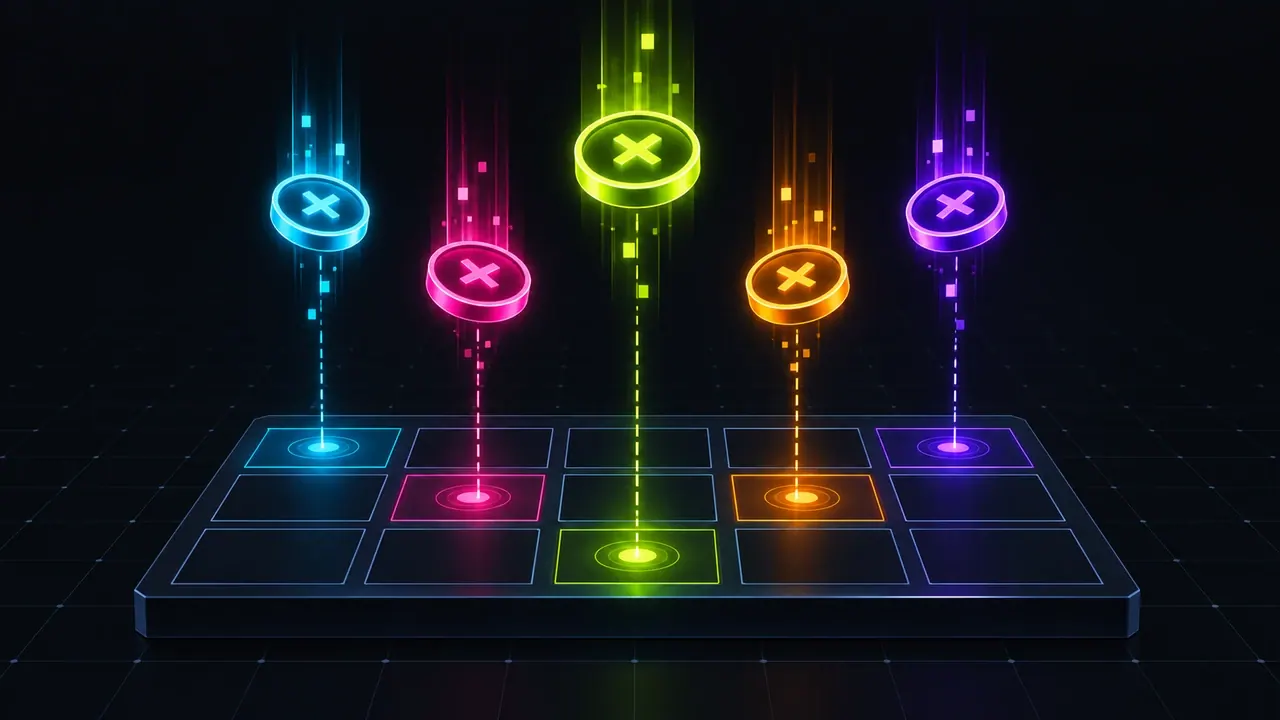
- Grid
- 6 × 5
- Win type
- Scatter pays
- Engine
- Tumbling reels
- Multiplier
- Accumulates in feature
What kind of machine this is
Strip the artwork off Gates of Olympus and what remains is a six-by-five grid, no paylines, a tumble engine, and a multiplier symbol that follows different rules depending on which phase of the game you are in. That last item is what separates it from the other Pragmatic titles it superficially resembles, and it is the one mechanic worth most of a page.
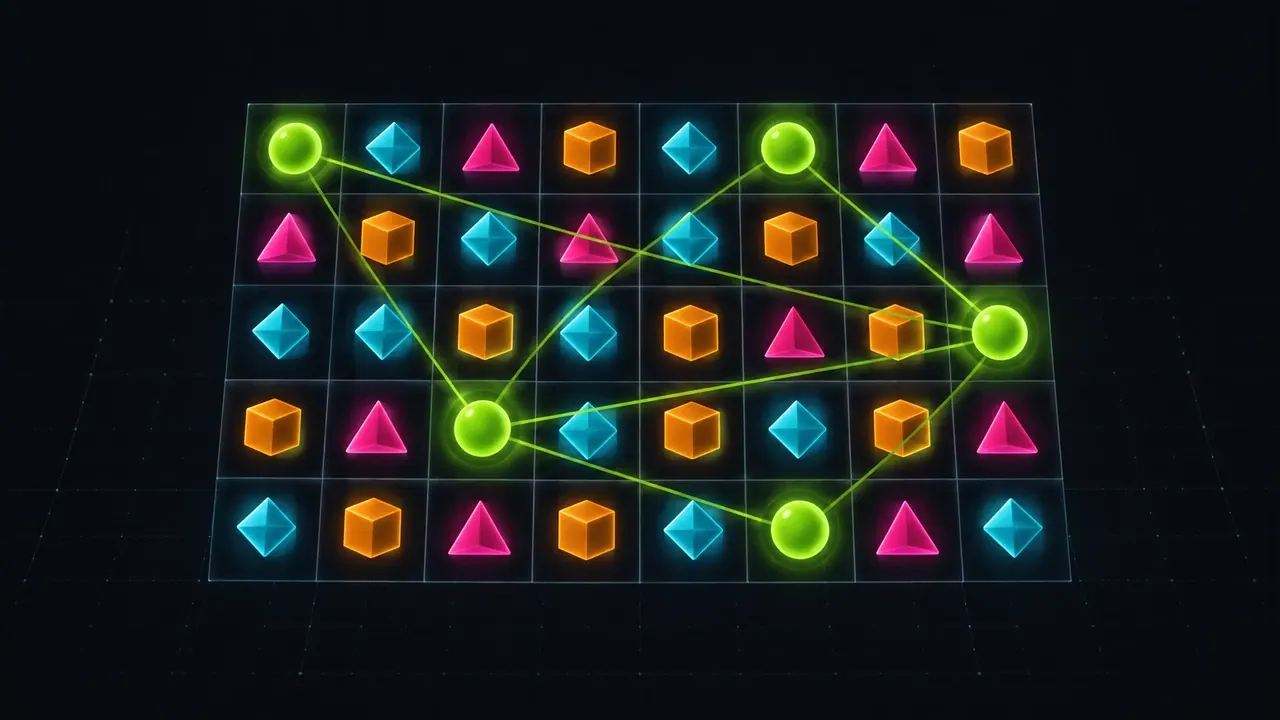
Pragmatic describes the game as pays-anywhere. A qualifying number of matching symbols pays wherever those symbols land, with no need for a line and no need for them to touch each other. The minimum count that qualifies and the award for each symbol live in the payout table of the build you have loaded, and that table is the only place either is reliable.
The engine underneath is the familiar one: winning symbols are removed, the symbols above fall into the gap, new symbols fill the top row, and a new qualifying group pays and clears again. The paid spin ends when a drop produces nothing. The general behaviour of that engine is set out in the mechanics reference. What matters here is narrower — the whole tumble sequence, not the individual drop, is the unit the multiplier acts on.


18+ · Bonus conditions
Offer information supplied: 2026-10-05.


18+ · Bonus conditions
Offer information supplied: 2026-10-05.
The orb has two sets of rules, not one
The multiplier symbol, the glowing orb carrying a value, is not a free-spins-only symbol in this game. Pragmatic's description has it capable of landing on any spin, base game included. If you have arrived from the Sweet Bonanza side of the catalogue, where the multiplier bomb exists only inside the feature, that is the first thing to unlearn.
In the base game the orb does one job and then disappears. The tumble sequence runs to completion, the qualifying wins inside it are totalled, and any orbs still on screen have their values summed and applied once to that total. Several orbs add to each other; they do not multiply each other. Then the spin ends and nothing has been carried anywhere.
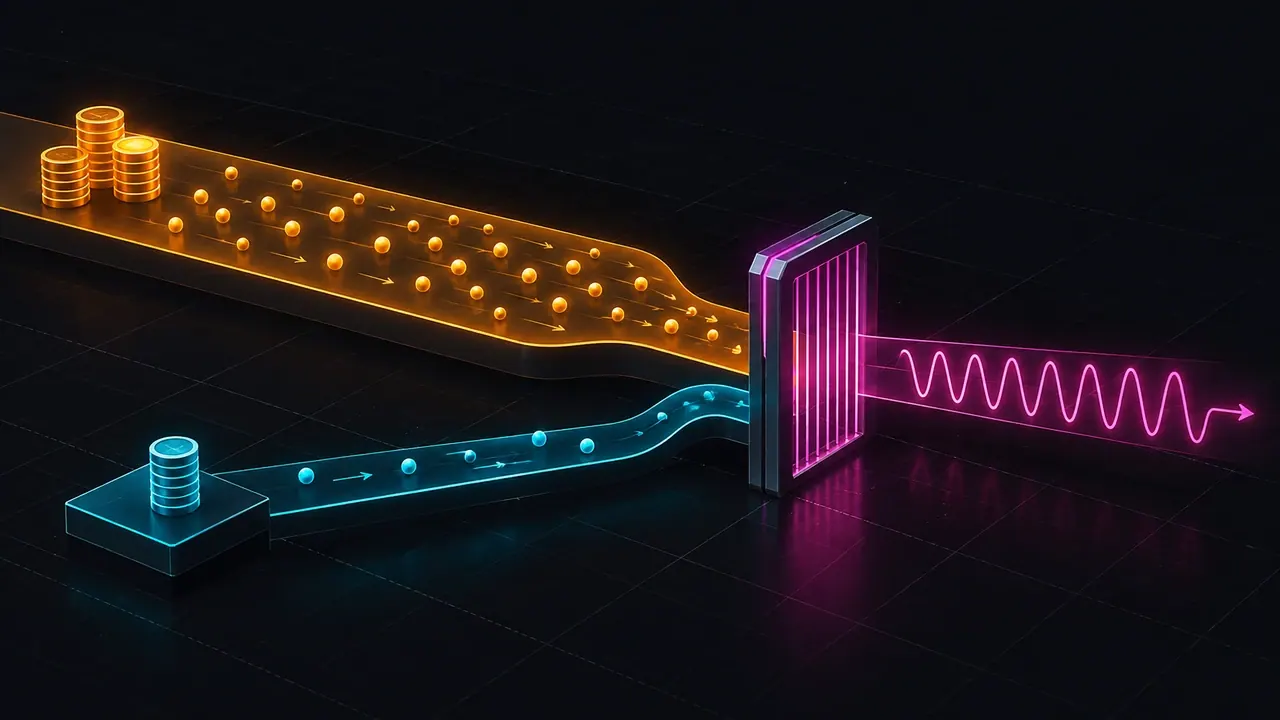
Inside the feature the same symbol is wired to something else as well: a running total that belongs to the round rather than to the spin. Each orb that lands adds its value to that total, and the total stays in place for the remainder of the feature. The multiplier applied to a qualifying win on a later spin is that accumulated figure, not merely the orbs visible on the spin that produced the win.
The practical consequence for anyone reading the help panel is that the base-game description and the feature description have to be read as two separate documents. A sentence about the multiplier that is accurate in one is wrong in the other, and the panel does not always mark the boundary between them as clearly as it should.
Why the order of the orbs decides the round
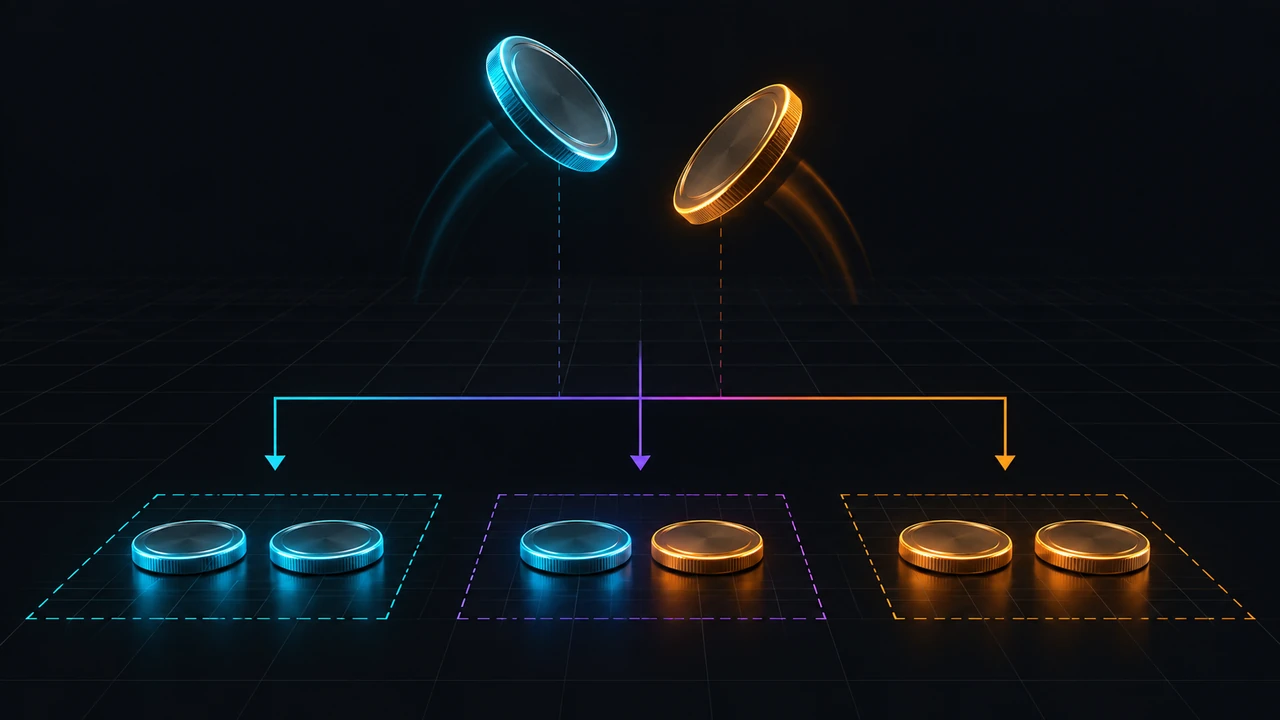
Once a multiplier accumulates, a round stops being a set of independent spins and becomes a sequence in which position matters. An orb that lands early raises the multiplier applied to every qualifying win for the rest of the feature. The identical orb landing on the final spin raises one win, or none at all.
That is the entire shape of this game's good and bad rounds. Two features containing exactly the same orb values can finish a long way apart with nothing having changed except the order in which those values arrived. No published description provides the distribution of those orders, so this explains a mechanism rather than a method for estimating a result.
The accumulated figure is normally shown in its own readout near the grid, separate from the win counter, and the two answer different questions. The counter tells you what the last spin paid. The meter tells you what the next qualifying win will be multiplied by. During a feature that feels like it is going nowhere, the meter is the number to watch: a low meter with most of the spins spent is a round whose outcomes have already narrowed.
The alternative is worth seeing. Sugar Rush 1000 also carries state through a round, but holds it in board positions, so a round there can be read off the board. Here the whole history of the round is compressed into one number beside the grid, and there is nothing else to read.
None of this creates a decision for the player: the stake is fixed before the round and the feature runs itself. What the mechanism changes is interpretation afterwards. A feature that built a high meter in its final spins and paid little did not almost pay — the meter simply had nothing left to act on. Reading that as a near miss is the thought that sells the next purchase.
// sponsored · Safe Casino · 18+
+500% + 120 free spins
Safe Casino welcome offer. Check the qualifying deposit and wagering conditions before you claim.
The big orb that paid nothing
The most common complaint about this game is a large orb that paid nothing. The cause is mechanical, not technical.
An orb is a multiplier, not a prize. It needs a qualifying win inside the same tumble sequence to act on. In the base game, where nothing accumulates, an orb that lands on a sequence containing no qualifying group multiplies nothing and then vanishes with the spin. A large value on screen beside an empty win counter is the game behaving exactly as its rules describe.
A second version of the same confusion is created by timing. Orb values are usually revealed with their own animation once the drops have settled, so the screen displays a value before it displays what the value is being applied to. At speed the two read as a single event, and a player can leave the session convinced that a win was shown and then withheld. The round-history screen, not memory, settles that question.
The third is carrying the expectation the other way: assuming a base-game orb has joined a total that will be applied later. It has not, and in a build where the base game has no running total there is nothing for it to join. That asymmetry is the real reason the feature carries the weight in this title. It is not that the symbol set changes inside the feature. It is that the accounting does.
Figures differ between builds and lobbies. Read the live game's information panel before you rely on any of them.
Play here →Ante, purchase, and the retrigger people undervalue
Where an ante-style option and a feature purchase exist in the build you have loaded, both are priced in that build's rules, and both behave differently here than the general advice about them suggests.
An ante option raises the cost of every spin and, in exchange, changes how often the feature is entered. In a game whose multiplier resets at the start of each round, that is close to a straight trade of cost against frequency. Here it is not, because what extra cost buys is more round starts, and every round starts with the meter at its base. More entries produces more short rounds from a clean meter, not better rounds. Whether that suits you depends on whether you wanted more features or bigger ones — not the same wish.
A purchase has the same structure of problem plus one of its own: it carries a separately stated return figure, published in the same panel as the base game's and frequently different from it. If you intend to buy, that figure is the one describing what you are actually doing, and the base game's is irrelevant to you. Read the charge in your account currency at the confirmation step rather than inferring it from the stake label. What a bonus buy does here specifically is start the meter from zero, every time.
The retrigger is the part most readers undervalue, and the reason is specific to how this meter grows. It grows from orbs landing, not from spins being spent — unlike the ladder in Big Bass Bonanza, where a high multiplier only arrives once the round is nearly used up. A high meter and a long round are therefore not in competition here, so spins awarded mid-feature are fresh attempts at a multiplier the round has already built. Check the exact retrigger condition in the loaded rules; it is not the same condition as initial entry, and it is one of the things that differs between releases in this family.
Keep every word of that separate from any casino offer. A purchase counted at its full charge can breach a maximum-stake rule, and feature buys are a common exclusion from welcome promotions. The game's rules and the promotion's terms are different documents written by different parties.
The cap is what a good accumulation runs into
Every build of this game has a maximum payout expressed as a multiple of stake, and the accumulating multiplier is the mechanism that reaches it. In this title the cap is not a distant ceiling that only matters to record screenshots. It is the thing a successful accumulation runs into.
A cap does not quietly round a result down in the background. Read what the loaded rules say happens when the limit is reached: whether the round terminates immediately, whether remaining free spins are forfeited or played out, and whether the limit applies per spin, per round or per feature. Those three definitions produce materially different outcomes from the same sequence of orbs, and they are not consistent across every release carrying this name. Why these ceilings exist at all is covered under maximum prizes; the version that applies to you is in the game.
No return percentage is printed on this page, and the reason here is sharper than the usual one. The base game, the ante mode and the purchase each carry their own separately stated figure, so a quoted percentage has to match both the configuration the operator integrated and the mode you are about to use. A number copied out of a review cannot match both at once. The figures that do apply to you sit in the information panel inside the game frame: the icon within the game window, not the casino page wrapped around it.
If you read one line in that panel before the first spin, make it the maximum-win definition rather than the return. That is unusual advice and it is specific to this design. Where the multiplier accumulates, the limit's scope decides whether a round that is building well keeps running, and whether anything still owed to you survives the moment it is reached. A return figure describes a long run you will never personally observe. The cap's scope describes the round you are sitting in.
// sponsored · WinCrown · 18+
+500% + 120 free spins
WinCrown welcome offer. Read the current promotion terms, eligibility and withdrawal conditions.
Original, numbered, Super Scatter: one name, several games
A lobby tile is not enough to identify which game you have opened. The Olympus line is a family now, and the releases differ by more than a number.
The original is the baseline. A release carrying a number in its title exists as a separate game with its own help panel, its own return figures and its own cap, and in this family that number points at a headline multiplier ceiling whose value the panel states. A Super Scatter release changes something more fundamental than a ceiling: it alters the trigger itself and attaches an award to the triggering scatters, which means the feature's value is no longer concentrated entirely in the accumulated multiplier the way it is in the original. Seasonal re-skins also circulate. Each is a distinct game whose own rules are the only source for its figures.
Release status matters for a practical reason rather than a collector's one. A variant can be live in one lobby and absent from another, and a demo reached through a search engine can be a different release from the one an operator has integrated. Record the full title as the loaded game header shows it, including any number or subtitle, before reading a single figure from anywhere.
Almost all of the wrong information about this game online comes from exactly this confusion: a figure read from one release and then repeated as a fact about the family. A help panel for the original cannot establish the cap, the return or the retrigger rule for a numbered or Super Scatter release. An article that does not say which release it looked at has not given you anything you can use, and the provider reference is a better starting point than a figure with no release attached to it.
On a phone, in a lobby, and where this page stops
Most Australian play happens on a phone, and this game loses something specific on a narrow screen: the meter. On a desktop layout the accumulated multiplier has its own space beside or above the grid. In portrait on a handset it is compressed into a strip competing with the win counter and the balance, while the orb values overlay a grid already dense at six by five. The readout you most need during a feature is the one given the least room.
Turbo and autoplay settings make that worse by removing the pause in which orbs are revealed and applied. If the aim is to understand a round rather than watch one, the speed settings are the first thing to turn off, and the round-history screen is the thing to find second. Both sit inside the in-game menu, which on mobile is not where the desktop layout puts it — worth locating once in each new lobby, before a session rather than during one.
Availability is an operator question and this page does not answer it. Searching a lobby such as Safe Casino or WinCrown for this name is likely to return several tiles rather than one, because the family shares a name and a palette — so the thing to match is the full release title as the loaded game header spells it, not the first tile that looks right. A provider category page is not an index of what is integrated today. Online casino services are not licensed in Australia, so any operator you reach is offshore, and a studio logo in a lobby says nothing about the company behind the cashier.
Here is the boundary this page keeps. Taken from the provider's own description of the game: the grid, pays-anywhere wins, the tumble engine, the orb landing in both phases, and the accumulation of orb values inside the feature. Absent, because it is build-specific: the return for any mode, the maximum-win multiple and its scope, the minimum matching count, scatter and spin counts, orb values, the retrigger condition, the price of ante or purchase, and whether any operator runs this release. The first list survives a reconfiguration. The second is what a reconfiguration changes.
Set a spending limit before the round rather than during it. A feature that accumulates is unusually good at producing the sense that one more purchase would put the same orbs in a better order, and nothing in the mechanism described above gives you any information about whether it would. This page describes a machine, not an opportunity, and it is for adults only.
Questions people actually ask
What is the RTP of Gates of Olympus?
It depends on which build the operator integrated, and Pragmatic ships this title in more than one return configuration. The ante option and the feature purchase each carry their own separately stated figure as well. All of them are in the information panel inside the game frame, which is the only version of the number that applies to your session.
Do the multiplier orbs work in the base game?
Yes, but differently. In the base game the orbs on screen have their values summed and applied once to the completed tumble sequence, and then they are gone. Inside the feature each orb adds to a running total that stays in place for the rest of the round. Same symbol, two sets of rules.
Why did a big multiplier orb pay nothing?
An orb is a multiplier, not a prize. It needs a qualifying win inside the same tumble sequence to act on. If the sequence produced no qualifying group, there is nothing for the value to multiply, and in the base game nothing is carried forward to a later spin either.
Does the multiplier carry over between free spins?
In the feature, the accumulated total is designed to persist for the round rather than reset each spin. Read the loaded feature description to confirm the behaviour and whether it ever resets mid-round, because this is the detail that differs most between releases in the Olympus family.
How is Gates of Olympus 1000 different from the original?
It is a separate game with its own help panel, return figures and cap, and the number in its title points at a headline multiplier ceiling whose value that panel states. Treat it as a different title rather than a re-skin and read its own rules, because a figure from the original does not describe it.
Is the ante bet worth using on this game?
It buys more entries into the feature, and every entry starts with the multiplier total at its base. So it produces more short rounds, not bigger ones. Check the charge and any mode-specific return in the loaded rules, and decide whether you wanted more features or larger ones.
// next step
A paytable makes more sense with the game open in front of you.
View current offer