- Pays for
- Symbols held, not lines matched
- Round ends on
- Counter exhausted or grid full
- Key rule
- Whether the counter resets
- Read it in
- The feature page of the help panel
The inversion at the centre of the mechanic
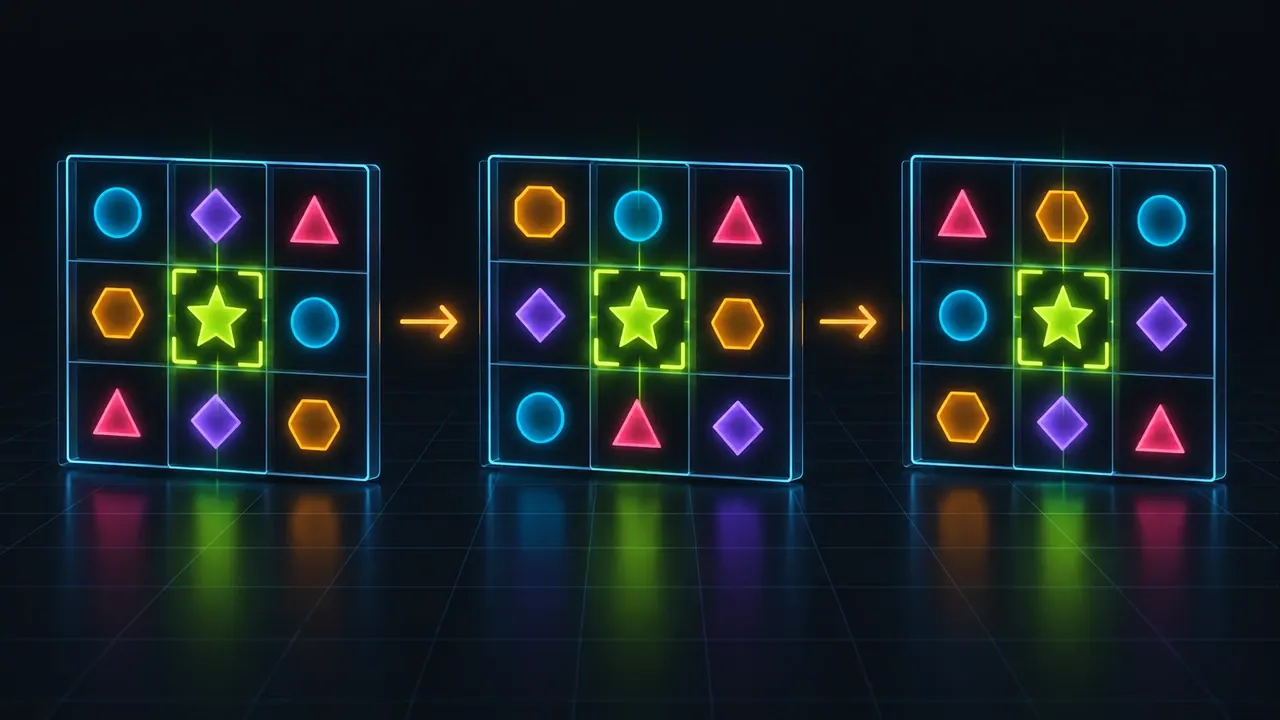
Nearly every other way a pokie pays asks you to match something. Symbols on consecutive reels, a cluster of adjacent tiles, a line drawn across the grid — the payout table describes arrangements, and the game checks your screen against it. Hold and spin throws that out for the duration of the feature. Once the round starts, the grid stops being a pattern to be matched and becomes a container to be filled. Each special symbol carries its own value, printed on its face. Held symbols do not move. The prize is the sum of what is on the grid when the round ends.
That inversion is why the feature reads so easily next to most bonus rounds: the running total is visible, the empty positions are countable, and the information deciding the payout sits on screen rather than three taps into a payout table. Readability is not predictability, though, and the two get confused constantly. What you can see is the result so far. Whether the next respin lands a symbol is governed by the title's own symbol weighting, which no screen you are reading discloses.
The entry condition is a minimum count of the special symbols on a single paid spin. Read how many that is in the specific game, and read whether they must all be the same variety — some titles accept any mix of value symbols, others require a particular type, and a few treat different varieties as separate collections with separate rules.


18+ · Bonus conditions
Offer information supplied: 2026-10-05.


18+ · Bonus conditions
Offer information supplied: 2026-10-05.
The respin counter is where the generosity lives
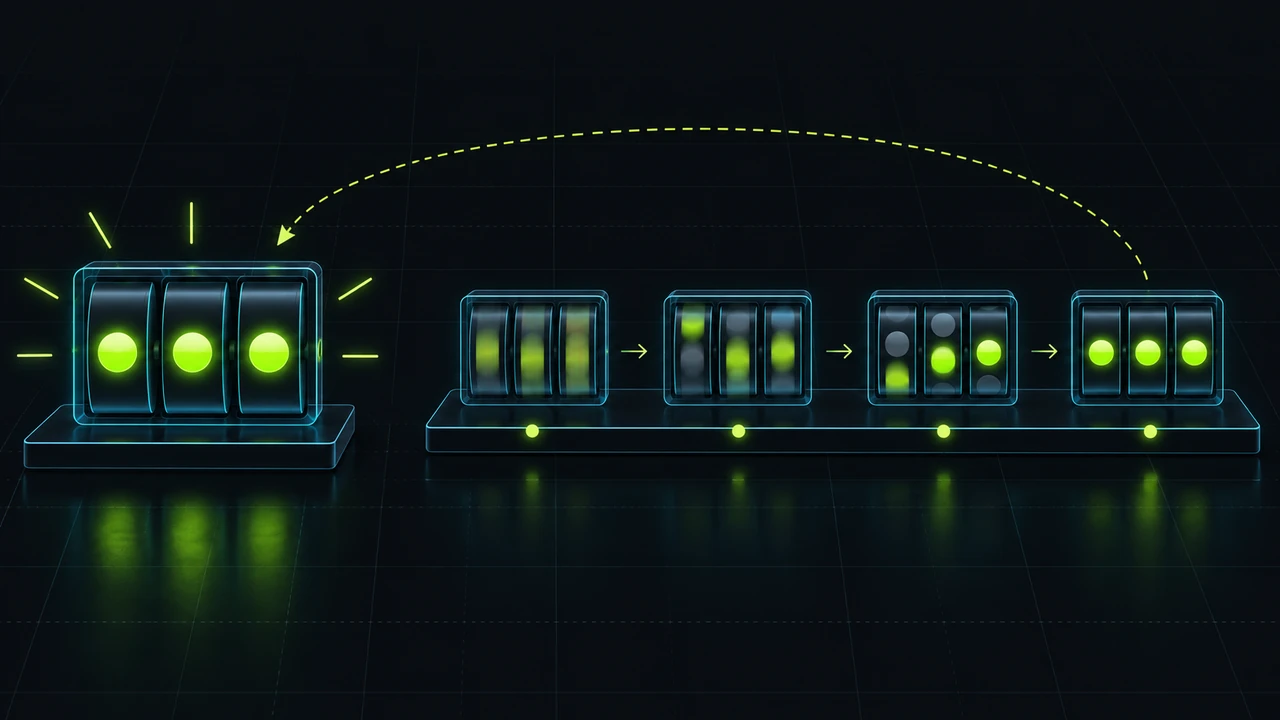
The design that made this mechanic famous works like this: you get a small counter of respins, and every time a new special symbol lands anywhere on the grid, the counter goes back to full. The round continues for as long as you keep landing symbols and ends when the counter runs out. That reset condition is the whole engine. It is what makes a long round structurally possible, and what makes the mechanic feel like it has momentum.
Not every implementation does that, and the alternatives change the game profoundly while looking identical on screen. A counter can decrement without resetting, giving you a fixed budget of respins from the start. A counter can reset only on certain symbol types, so a low-value symbol extends nothing. A title can grant a set number of respins with no reset mechanism at all. Some designs reset to a shorter counter after the first extension. Any of these can sit behind artwork and sounds that feel exactly like the reset-on-anything version.
This is the decision rule for the whole page. Before forming any opinion about a hold and spin title, find the reset condition. A reset-on-any-symbol design makes extended rounds reachable; a decrement-only design makes them arithmetically uncommon however large the numbers printed on the symbols are. A game can advertise impressive symbol values and hand you a counter that will not let you collect many of them, and both facts hold at once.
You find it on the feature page of the in-game help panel, a screen named after the feature rather than the general rules page. It is normally one sentence. Read it before the prize ladder — the opposite of the order the game's own screens invite.
Occupancy arithmetic: why the back half is harder
Here is a structural property of the mechanic that explains a feeling most players have had and few have articulated. As held symbols accumulate, the number of positions still capable of producing a new symbol shrinks, so each successive respin has fewer live positions than the one before it. The back half of a grid-filling round is therefore harder to extend than the front half — not because the game has tightened, but because there is less grid left to land on. That is why a round so often stalls with a handful of gaps remaining, and why this mechanic produces near-misses as routine geometry rather than occasional cruelty. A round that stops two positions short of full is the mechanic working normally.
Some implementations push back against that. A grid can expand at thresholds, adding rows or reels as it fills, which puts fresh positions into play exactly when the standard design is running out of them. Others add a position for each symbol collected, or unlock a second grid alongside the first. Read whether the grid is fixed, because an expanding grid changes the back half of the round from the hardest part into a different kind of problem entirely.
A full or near-full grid frequently carries its own stated award. Check two things about it. Check whether that award is added on top of the accumulated symbol values or whether it replaces the sum with a set amount, because those are materially different outcomes from the same visible screen. And check whether filling the grid ends the round immediately, which it usually does, or whether a remaining counter still runs.
// sponsored · Safe Casino · 18+
+500% + 120 free spins
Safe Casino welcome offer. Check the qualifying deposit and wagering conditions before you claim.
Tiered ladders hang off this feature, and they have a separate door
Many hold and spin titles attach a tiered prize ladder to the feature — escalating named prizes sitting above the ordinary symbol values. The ladder is where the marketing concentrates, which is also where the conditions concentrate.
Tiers are awarded by different routes depending on the design. A dedicated tier symbol can land on the grid the same way a value symbol does. Positions filled can trigger a tier at stated thresholds. A separate collection count maintained across the round can award one. Occasionally the ladder is entered through a distinct feature that the hold and spin round merely qualifies you for. These are not interchangeable: a symbol-based award and a threshold-based award give you completely different things to watch during the round.
A ladder is a trade-off rather than a free upgrade. It has to be funded, and that funding comes from the same return budget as the base game and the ordinary symbol values. How a title splits its return between those three places is a design choice, disclosed in the rules if it is disclosed anywhere; the return guide in the maths section covers what that budget does.
The condition worth hunting for before anything else: a minimum stake or specific bet level may be required to reach the upper tiers at all, or to make them eligible. This is common enough on tiered designs that you should assume it exists until the rules say otherwise. Playing a tiered hold and spin title below its qualifying stake means playing a game whose headline prize is not available to you, which is a worse outcome than choosing a different game.
Figures differ between builds and lobbies. Read the live game's information panel before you rely on any of them.
Play here →Bet level rewrites what the symbols are worth
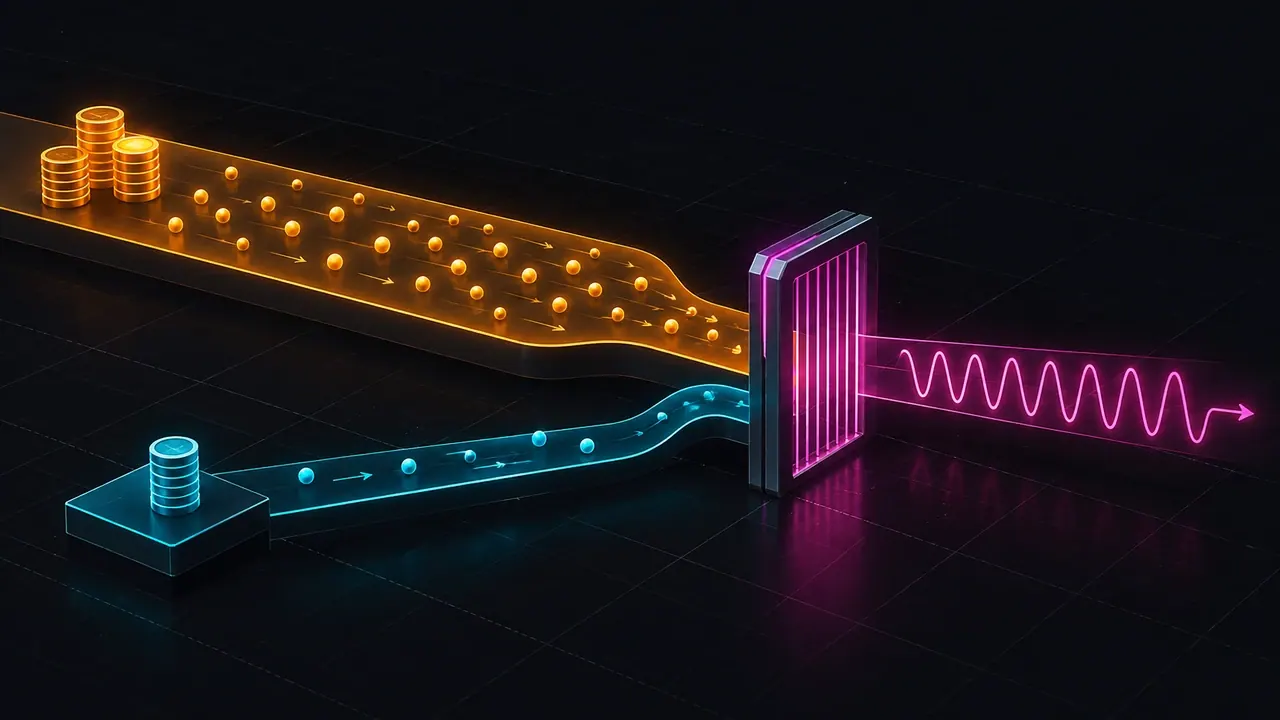
Values printed on held symbols are usually defined as multiples of the stake and then rendered on screen in currency. The consequence catches experienced players more often than new ones: you learn a game at one stake, build an intuition for what its symbol values look like, then open the same title at a different stake and fail to recognise it. The numbers on the symbols have all moved. Nothing about the game has changed.
A short procedure settles it. Open the paytable, note the special symbol values, change the stake, and reopen the paytable. Watch which numbers move and which do not. If every value scales in proportion, the design is linear and your intuition transfers cleanly between stakes. If one tier sits still while the others scale — typically a set top prize rather than a stake multiple — you have found a genuine asymmetry in the game, and it means the relationship between your stake and that prize is not constant.
A prize that does not scale with stake represents a different proportion of your outlay at every bet level, which cuts both ways and interacts with any minimum-stake condition on the tiers. The point of the check is to know which kind of game you are in, not to find an exploitable stake.
One operational note. If you change stake mid-session, confirm what the game does with a feature already in progress and what an autoplay sequence does with the new stake. The rules should state whether a feature is resolved at the stake that triggered it. Where they do not, do not infer it from the animation.
Recognising the variants in an actual lobby
The mechanic reached a mass audience through Aristocrat's Lightning Link family, and Hold & Spin is Aristocrat's own name for the feature rather than a generic industry term. That matters for lobby navigation: you will almost never see those exact words online outside Aristocrat's output. What you see instead is a field of function-descriptive names other studios invented for the same behaviour without borrowing the branding.
Learn the behaviour and the branding stops mattering. You are looking for three things together: a special symbol with a value printed on its face, positions that lock and stay locked, and a respin counter displayed somewhere on the screen. When those three appear in the same feature, you are in a hold and spin round regardless of whether the game calls it hold and win, cash collect, link and win, a money or cash symbol feature, a respin bonus, or something invented for one title.
Three adjacent mechanics get mistaken for it. Sticky wild respins hold symbols that carry no prize of their own — they assist the normal paytable, so ordinary matching rules still govern. Collect-and-upgrade features accrue value off the grid into a meter, so the grid is not the container and filling it is not the objective. Symbol-upgrade respins hold positions while changing what occupies them, so the running total can move downward as well as up. None behaves like the mechanic on this page, and only one looks much different in motion.
A lobby filter is the wrong instrument for finding this family, because these games are shelved by studio or marketing label rather than by mechanic: identification happens after you open a title, not before. The sponsored links on this site point to offshore operators, Safe Casino and WinCrown among them; which hold and spin titles either one carries, and which configuration a title runs there, is readable only on the live lobby page and that game's own help panel.
// sponsored · WinCrown · 18+
+500% + 120 free spins
WinCrown welcome offer. Read the current promotion terms, eligibility and withdrawal conditions.
Five ways a hold and spin round gets misread
The displayed value on a held symbol is not always its final value. Some titles apply a multiplier at the end of the round, upgrade held symbols when a particular trigger lands, or merge held values into one higher symbol. If a payout exceeds the sum you counted on screen, the explanation is usually one of these and it is documented. Look for it before assuming a discrepancy.
The accumulated total normally sits in the feature's own display, not your main balance, until the round resolves. Watching the balance for confirmation means watching nothing happen for the entire feature, which players occasionally read as a fault. Check the round history after the feature resolves rather than the balance during it.
A full grid does not automatically mean the top tier. Where tiers are awarded by a dedicated symbol or a separate collection count, a filled grid of ordinary value symbols pays those values plus the full-grid award, with the ladder uninvolved. Reading a full screen as a jackpot is the most common disappointment this mechanic produces.
A string of respins producing nothing does not mean the round is finishing. Only the counter rule decides that, and a counter resetting on any new symbol can sit at full while blank respins pass. The visual rhythm of a stalling round and the state of the counter are different pieces of information, and the counter is the one displayed on screen for a reason.
Special symbols landing in the base game below the trigger count are not near-miss information. They are ordinary non-triggering outcomes, and a couple of them on screen tells you nothing about the next spin. If you find yourself raising a stake because the symbols have been appearing, that is the feature's visual design working on you rather than a change in the game.
What to write down before the first paid spin
Open the help panel and find the feature page — not the general rules screen, the one named after the feature. Six things are worth writing down, and finding them takes about as long as playing a couple of spins.
One: the trigger count, and whether the triggering symbols must match in type. Two: the counter length and, far more important, its reset condition. Three: whether the grid is fixed or expands, and at what thresholds if it expands. Four: how any tiers are awarded, and whether a minimum stake is a condition of them. Five: whether the held symbol values are stake multiples that scale, checked by changing the stake and reopening the paytable. Six: what a full grid pays, and whether that award adds to the accumulated sum or replaces it.
If the title offers a feature purchase that enters the hold and spin round directly, treat it as a separate question with its own rules. A purchase frequently enters under modified conditions — a different starting counter, seeded held symbols, different tier eligibility — so the price buys that configuration rather than the one ordinary play reaches. The rules should state the difference. Where they do not, you are buying something undescribed.
Five of those six answers are facts the animation will never tell you, which is why watching a feature play out is not a substitute for reading them.
What this page could not verify
No per-title figures appear here, deliberately. Counter lengths, trigger counts, symbol value ranges, tier conditions, full-grid awards and payout caps are set per title and sometimes per build, and a number copied out of one game misdescribes the next one. The mechanic is standardised in shape and nowhere near standardised in its parameters, which is exactly why this page teaches you which lines to find rather than printing values.
The naming note explains why the words differ between studios. It is not a statement about any licensing arrangement, and it does not imply that an online game using similar behaviour is related to, licensed by, or comparable with the title that popularised it. This page covers the mechanic across games rather than analysing an individual title, which belongs on a game page.
Nothing here is a recommendation to play a hold and spin title or to play one anywhere in particular. Online casino services cannot lawfully be provided to people in Australia, and the operators discussed anywhere on this site are offshore; reachability, Australian dollar display and familiar studio artwork are not evidence of Australian authorisation. Set a spending and time boundary before you open a lobby, never gamble with money needed for essentials, and stop if the purpose of a session becomes recovering a loss. Sponsored links on this site can earn the publisher a commission.
Questions people actually ask
How does hold and spin work?
A minimum number of special value symbols on one paid spin starts the feature. Those symbols lock in place and the remaining positions respin, governed by a respin counter. Each new symbol that lands is held too, and in most designs it refills the counter. The round ends when the counter runs out or the grid fills, and pays the total of the held symbol values plus any award attached to filling the grid.
What is the respin counter and why does it matter so much?
It is the number of respins remaining before the round ends. It matters because its reset rule decides whether long rounds are reachable. Some designs refill it on any new symbol, some refill it only for certain symbol types, and some count down with no reset at all. The rule is stated on the feature page of the help panel, usually in one sentence.
Why does the round so often stop just short of filling the grid?
Because each held symbol removes a position that could produce the next one. The more full the grid gets, the fewer live positions remain for a new symbol to land in, so extending the round becomes structurally harder as it progresses. That is the geometry of the mechanic, not the game reacting to you.
Does a full grid always award the top jackpot tier?
No, and this is the most common misreading. Where tiers are awarded by a dedicated symbol or a separate collection count, a grid filled with ordinary value symbols pays those values plus any stated full-grid award, with the ladder uninvolved. Check how the specific title awards its tiers.
Do the numbers on the symbols change with my stake?
Usually yes, because they are normally defined as stake multiples and displayed in currency. Change the stake and reopen the paytable to see which values move. Anything that stays still at every stake is a set prize rather than a multiple, and that is worth knowing before you judge the feature.
Is hold and win the same thing as hold and spin?
Functionally, almost always yes. Hold & Spin is Aristocrat's own feature name, so other studios ship the same behaviour under descriptive names like hold and win, cash collect or link and win. Identify it by the three features together: a value printed on the symbol, positions that lock, and a visible respin counter.
// next step
A paytable makes more sense with the game open in front of you.
View current offer